By Dave Workman
Editor-in-Chief
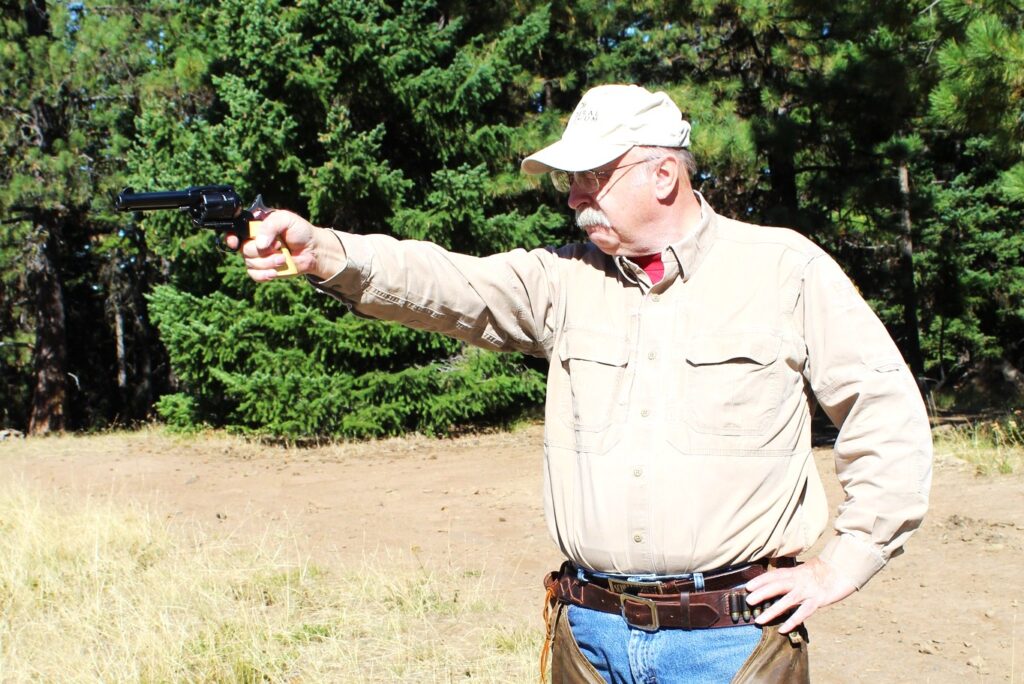
One of the more puzzling aspects of modern handgunning was my discovery—and trust me, it was an astonishing moment—that there are folks among us who have never fired a revolver.
Yep, I know that seems simply incredible, but evidently it’s fact. There is no way to estimate how many folks fall into this category. Let’s hope not many; after all, the folks of my generation, which comes from, well into the last century, probably fired a revolver for their first handgunning experience. As a young man, all the lawmen and women with whom I had contact all carried revolvers, such as the Colt Trooper, Diamondback, Detective Special and a few fortunate souls, a Python.
Then there were folks who carried Smith & Wesson wheelguns, either K-frame or N-frame, until the L-frame came along and they switched over because of the additional, but not much, weight. Back in the day, a fair number of folks leaped to the presumption that Smith & Wesson introduced the L-frame to compete with the Python.
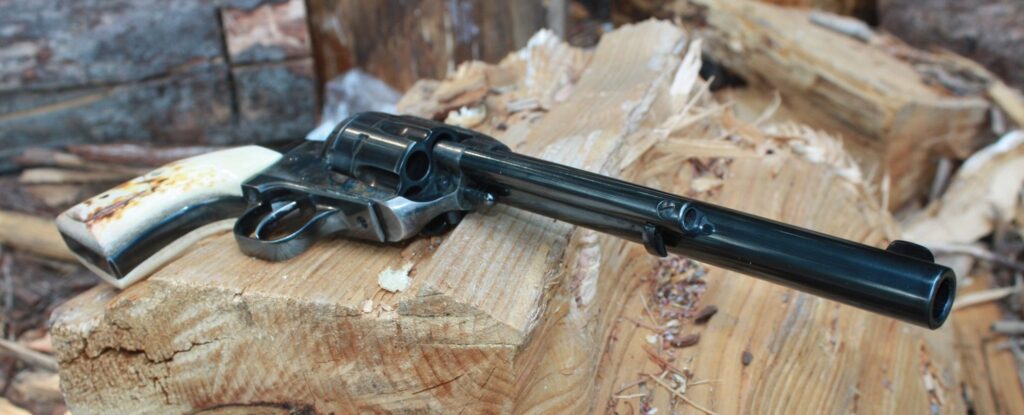

When Ruger started cranking out double-action revolvers, they were impressive and still are. The ones I’ve handled—GP100, Super Redhawk, Alaskan, SP101, for example—never failed to leave a positive impression.
But I must be “old school,” because I haven’t warmed right up to the latest double-stack whiz-bang appearing on the latest magazine cover. During my lifetime, law enforcement has transitioned to the semi-auto, as has a large share of the shooting public, but they haven’t left us sixgunners in the dust.
Still, it may boil down to the “Mathew Quigley principle.” You know, “Never had much use for one. Never said I didn’t know how to use one.”
But with some folks, the reverse seems to be the case. They’ll be familiar with the operation of this or that shooter with a polymer frame, but when it comes to the most basic handgun—the revolver—some folks have either shied away or simply rejected them as anachronisms from a bygone era where everybody wore buckskins.
According to Shooting Industry, reporting in January on firearms production, semiautomatic pistol production eclipsed revolver production, which is hardly surprising.
Ruger produced about three times as many semi-autos as revolvers in 2023, the most recent year for which data is available. It was the same story at Smith & Wesson. Of course, Sig Sauer, Beretta, Springfield and Glock didn’t produce any revolvers.
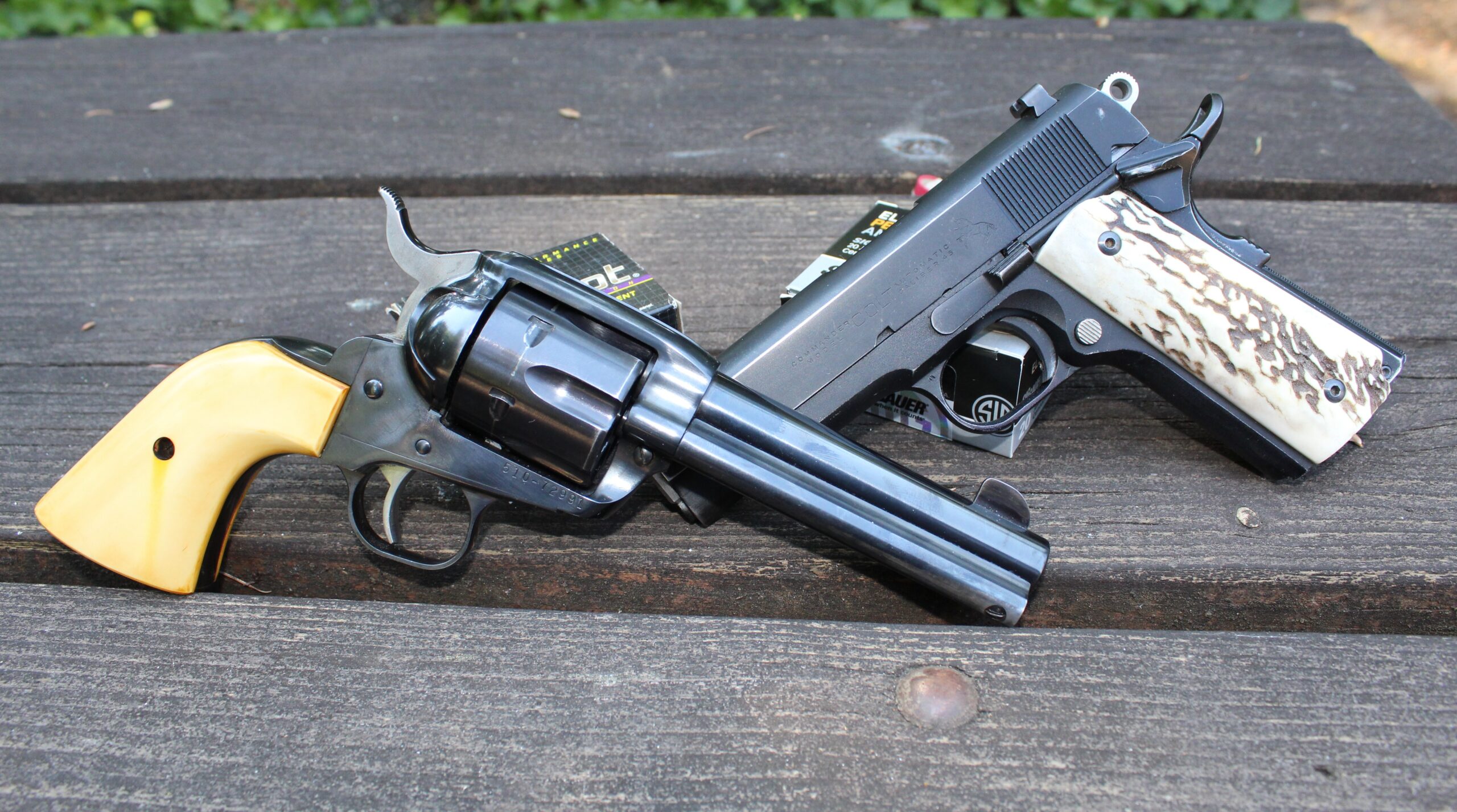
On the other hand, Colt’s wheelgun production was about double that of its pistol production (112,858 revolvers and 56,807 pistols).
User-Friendly
Revolvers, especially double action models with swing-out cylinders, are incredibly user-friendly. People have to try really hard to screw up their round gun shooting.
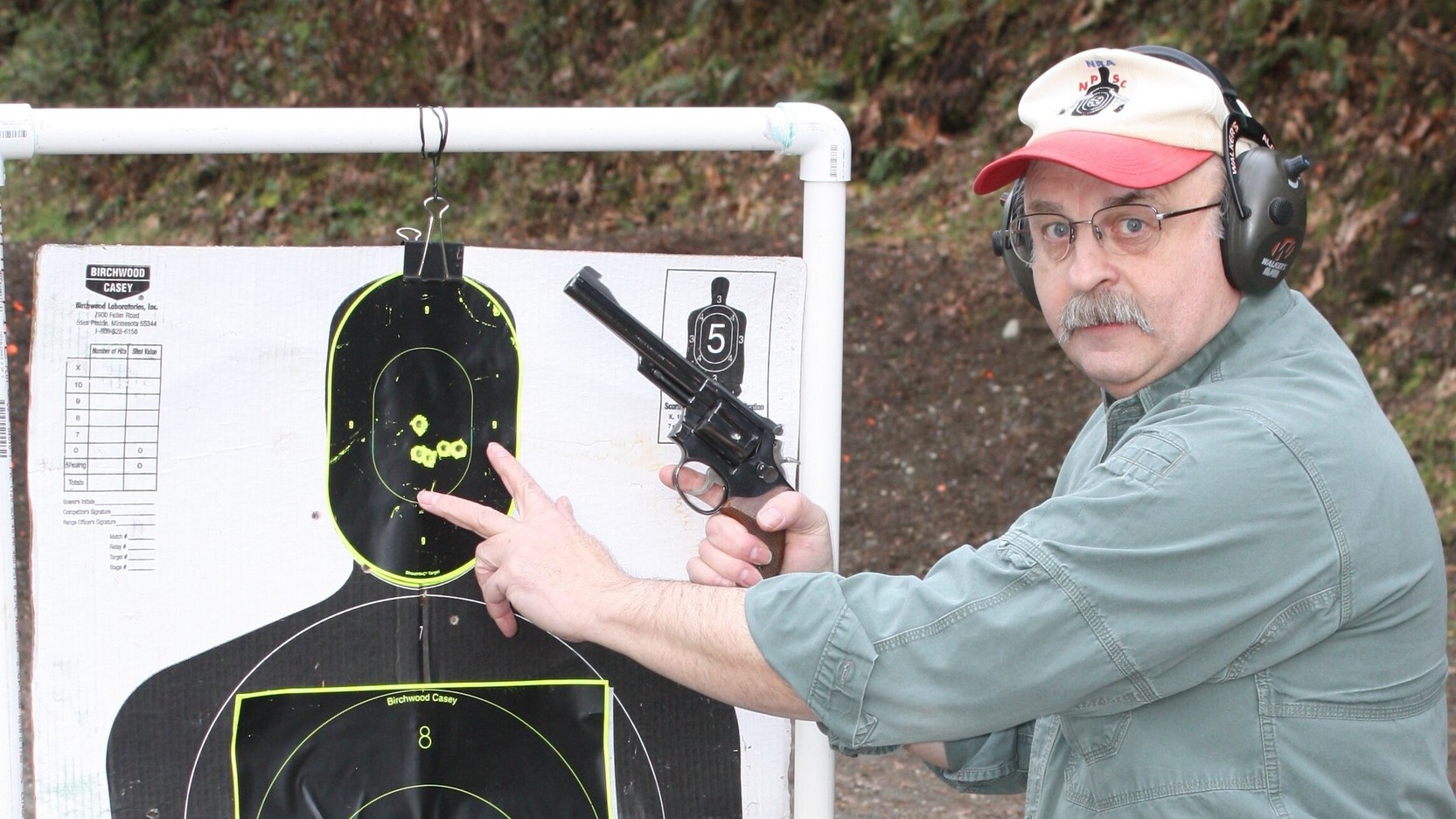
Of course they don’t eject spent casings, but you do that when you empty the cylinder. No. Big. Deal.
Single-action sixguns are a different species altogether in that they load and unload slower, and nobody becomes Wild Bill Hickok automatically just by picking one up and opening fire.
Still, they’re all one-piece guns in that all one needs to make them work is spare ammunition. Semi-autos are two-piece guns which require a magazine in order to function.
One learns not only marksmanship with a revolver, but also how to be frugal with ammunition; no “spray and pray.” I’ve killed big and small game with revolvers, and I didn’t throw lead all over the landscape to do it.
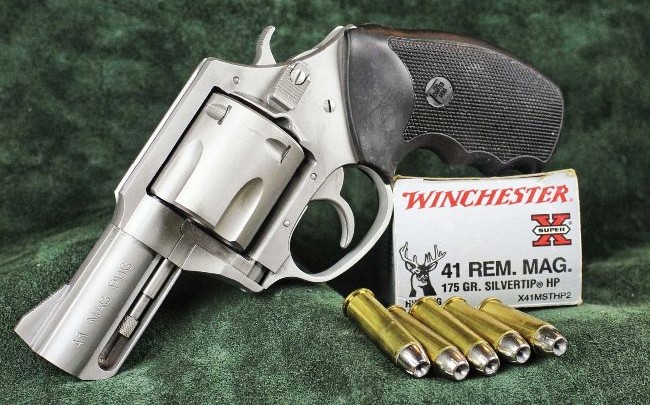
My preference for semi-autos is pretty much limited to the Model 1911 platform. John Moses Browning got that one absolutely right!
But Sam Colt, Horace Smith, Daniel B. Wesson and Bill Ruger all did pretty darned well with wheelguns, too, and American handgunners owe it to themselves to get acquainted with the products of those gentlemen. One can never predict what an emergency might arise, and one should be at least semi-proficient with whatever sidearm might be handy.
If it’s a wheelgun, you’ll be pretty well off, so don’t forego an opportunity to wrap your palms around the grip of a six-shooter and let’er rip!