By Mike Nesbitt | Contributing Editor
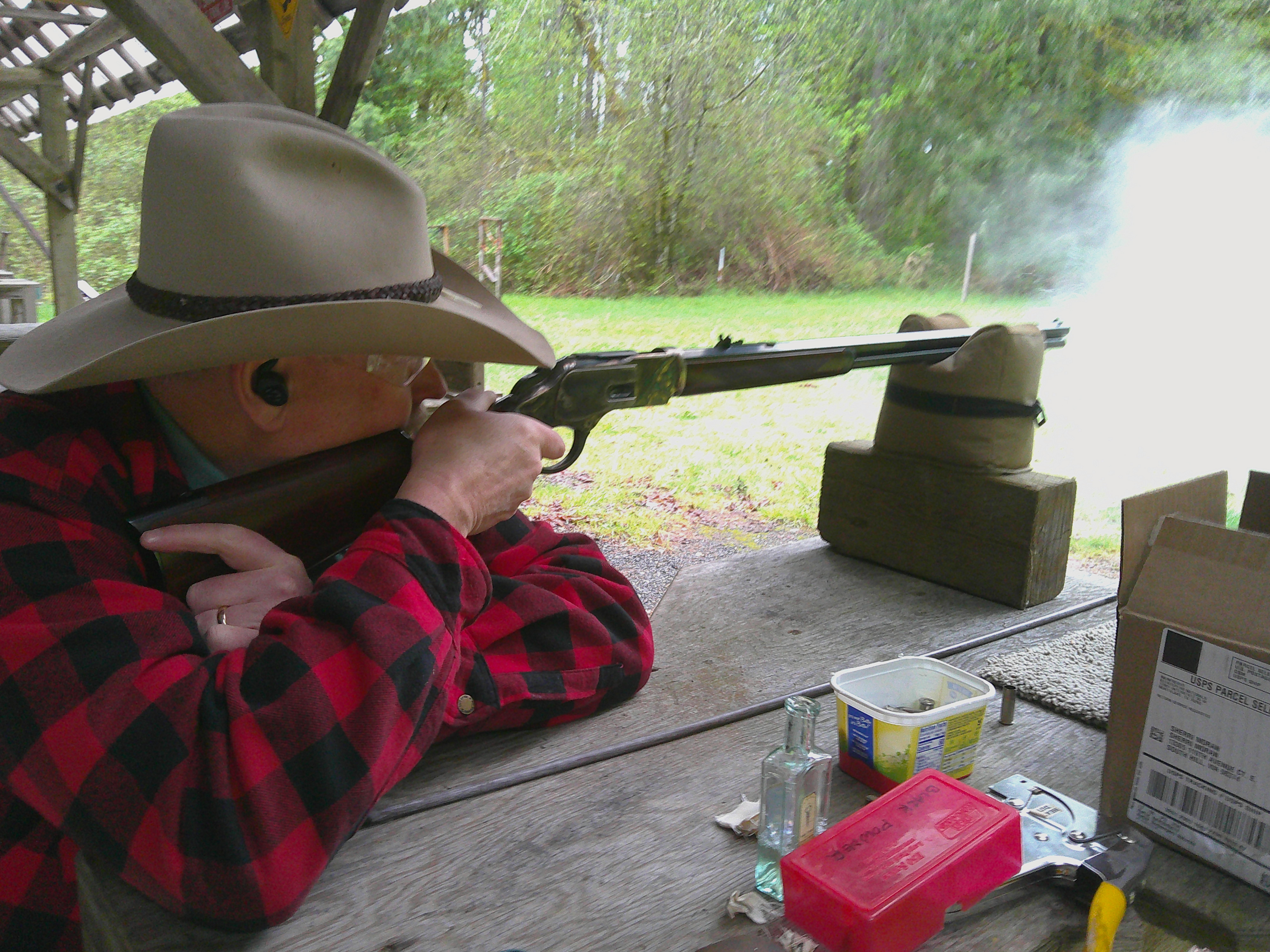
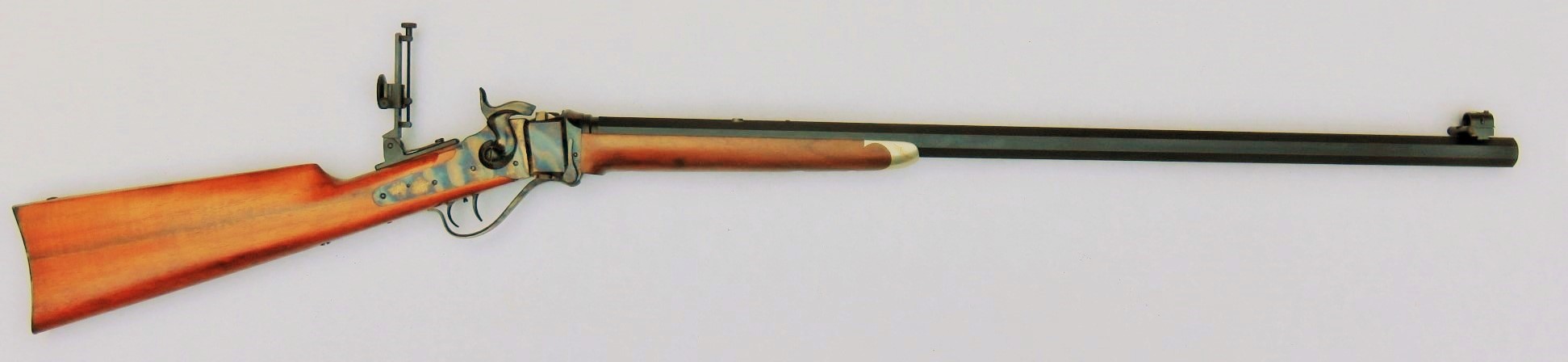
My good buddy Mike Moran finally broke down and bought a new Cimarron Model 1873 Long Range rifle in .44-40 caliber, with the 30-inch barrel.
I had been suggesting that he get one of those for quite a while and finally he gave in. Of course, he’s very pleased with it even though, as this story gets started, he hadn’t as yet fired a shot with it.
While we were discussing the technical aspects of loads and other things, I asked him if he planned on breaking-in the barrel for black powder shooting.
Let me explain, right away, that several shooters don’t believe in breaking-in a new barrel but I will quickly admit that I firmly and certainly do believe in it. Often, when I ask other shooters if they plan on shooting black powder loads in similar Old West replicas, they say “no, that makes the guns too hard to clean.”
That’s when I get the chance to reply how such barrels are hard to clean because they weren’t properly broken-in. And I do speak from experience.
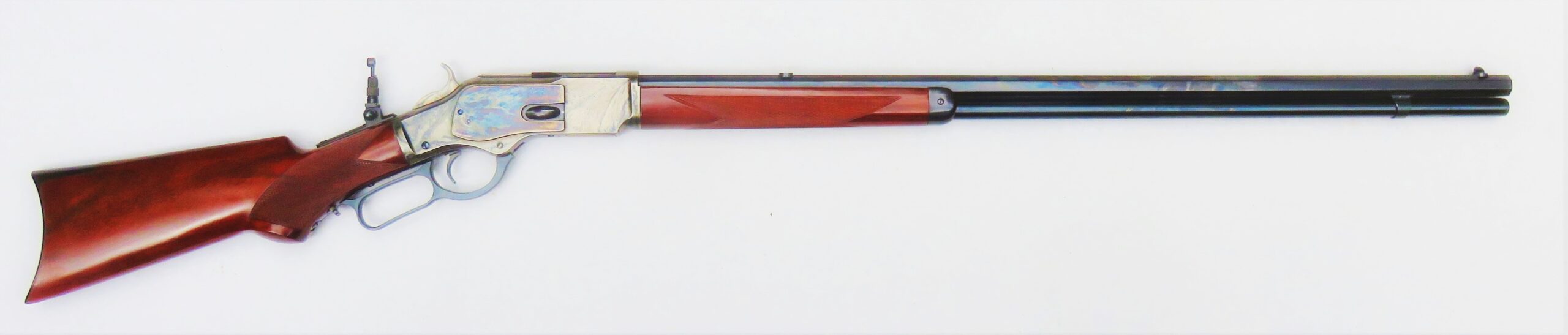
A few years ago, I ended up at the famous Quigley match with a brand new .44-70 Sharps. This is a rifle I have mentioned before but probably not too recently. It was made by C. Sharps Arms and for sale in their showroom. I knew it was there and made arrangements to buy it while on the way to the Quigley match. And, when I stopped at the shop to pick the rifle up, I was allowed to use their reloading bench to prepare a box of cartridges, using .45-70 cases sized down to accept the .44 Sharps’ .446” diameter bullets.
Just a day or two later, out on the Quigley firing line during practice, I had the chance to shoot that new .44-70. And shoot it, I did. But I forgot to take the time to break-in the barrel. Impatience, I guess. So, after those twenty rounds were fired, I went back to the tent to clean the gun. Wow! Was that gun dirty! It took a lot of patches, black powder solvent, and elbow grease to get that barrel clean again. That’s when I remembered how I should have broken-in the barrel, but, of course, it was too late for me to do that time, with an already-dirty rifle.
While I was cleaning the new .44-70, I had plenty of time to wish, over and over, that I had remembered to take a cleaning rod and some damp cleaning patches with me to the firing line in front of those Quigley targets. Doing so would have saved me a lot of time and, speaking in general black powder terms, it would have made my life much easier that afternoon.
Breaking-in a new barrel is rather simple. What you need to do is to “introduce” the new barrel to black powder bullet lubricant. That lube will “soak” into the very tiny pores inside the barrel’s bore and remain there, at least until it is “burned out” by shooting with smokeless powder ammunition. My explanation might not be the most technically correct, but this does work.
The process for introducing the bore to the black powder lube is simple. Take the new gun to the range with at least twenty rounds, loaded with cast bullets, lubed with a good black powder lubricant, and fueled with black powder. Light loads or full loads shouldn’t make any difference.
For the first ten rounds, wipe the bore between each shot. Use cleaning patches that are damped with a black powder solvent. This will remove most of the black powder fouling and allow the lube on the bullets to “grease” the bore directly as each bullet goes down the barrel.
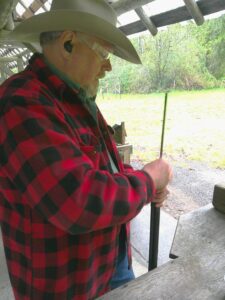
For the second batch of ten rounds, wipe the bore like before but after every two shots. The barrel will be absorbing the lube quite nicely and whether you fully agree with my explanation or not, you’ll be glad you took the effort to do so.
The result is a barrel that can easily be cleaned after firing several shots without wiping the bore during the shooting session. Using my own ’73 Cimarron as an example, I can shoot thirty shots or more, such as in one of our club’s Lever-Gun Matches, and then clean the gun’s barrel with just two patches. That’s not “hard to clean” at all.
Let me add, some black powders do burn noticeably cleaner than others. As an example, Swiss powder burns cleaner than Schuetzen and those two powders are imported by the same company. Shooting with a clean burning black powder has several rewards which include easier cleaning when the shooting is done.
Now let’s get back to Moran and his new long-barreled .44-40 rifle.
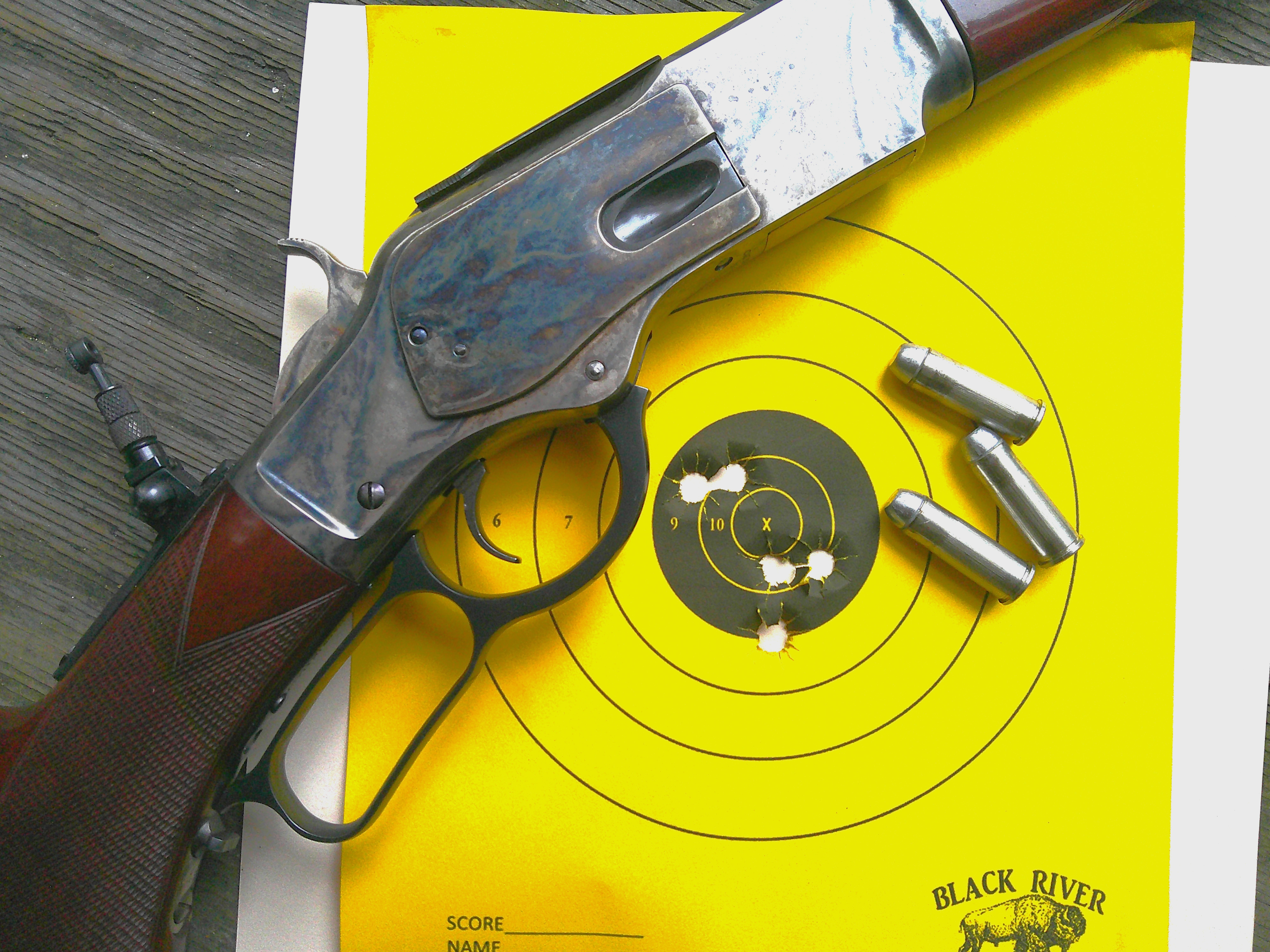
We met on the firing range, on a rainy morning, and posted a small bullseye target at just 25 yards. Mike had never fired his new rifle so we put that target at an easy-to-hit distance. The shooting was done with the open sights which came on the rifle, even though Mike already had a Varner tang sight (from The Hawken Shop) which would be mounted on the rifle just a little while later.
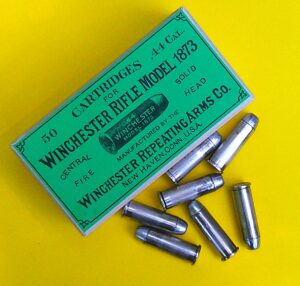
He was using full black powder loads, firing a 205-grain bullet loaded over 35 grains of Swiss 3Fg powder. Those bullets were lubricated with Vigilante’s Number 1 lube, which I’ve grown to like quite a bit. I know the make-up of that ammo specifically because he was using my ammunition.
Mike did his shooting from the bench and got serious right away. And, after each shot for those first ten rounds, he did wipe the bore after each round was fired. The patches he used were dampened with a mixture of water and Windex (with vinegar), a black powder bore cleaner that the late Mike Venturino used to recommend.
Wiping the bore between shots might sound like drudgery but it really isn’t and those first ten shots will actually go rather quickly. Soon enough, Mike was finished with his first target, which held all ten bullet holes. He posted a new target and got back to work firing his next ten rounds, and wiping the bore after each two shots. The second ten rounds go at least twice as fast as the first ten, or so it seems. And after shooting all twenty of those “break-in shots” shooting can go on as you might prefer but it will be wise to keep an eye on things because the “rifle” might request another wiping of the bore.
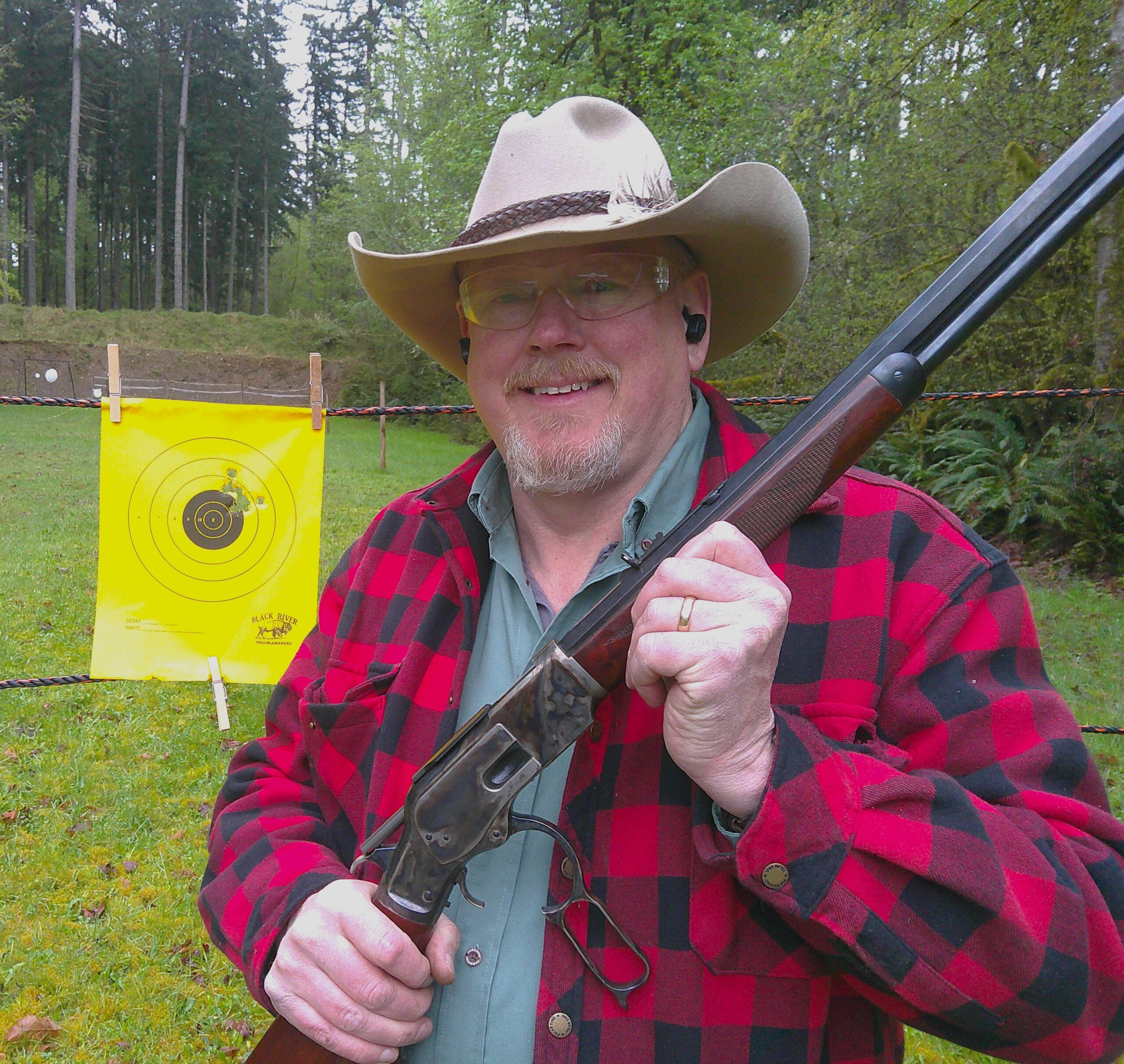
The way the rifle might make such a request is simply in its performance. The groups might not be as tight as the shooter expects and if so, wiping the bore again can certainly give the shooter a fresh start. But after being broken-in, just wiping the bore one time will bring the performance of the rifle back up to expected results.
Of course, that is when the good shooting began. Mike was just using the open sights that come on the rifle, but his intentions were to have a tang sight mounted to the wrist of his new lever-action as soon as possible.
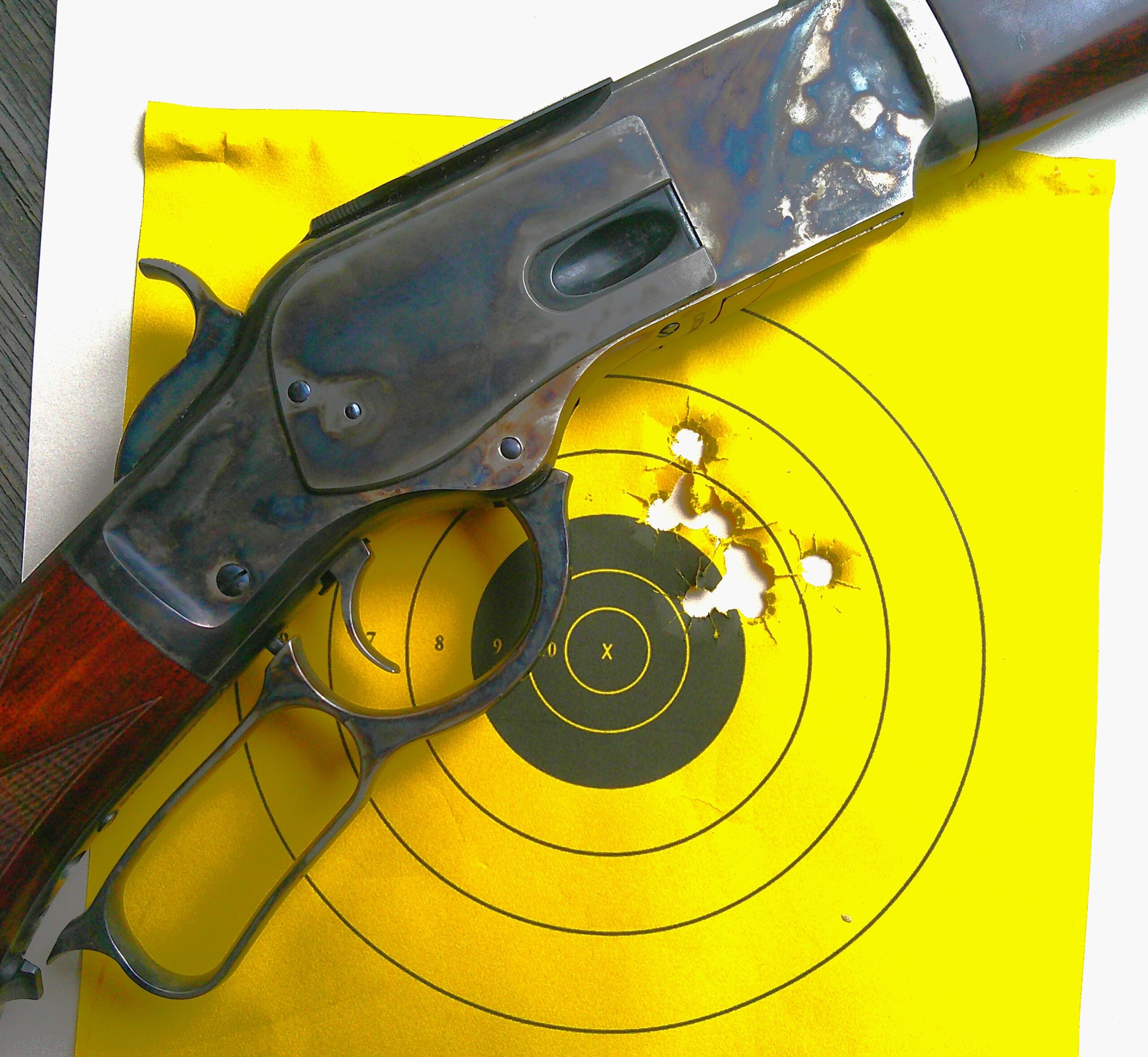
As it happened, Mike was leaving on a trip to Alaska just after our shooting session, and while he was gone, the Varner tang sight was mounted to the gun and, in addition to that, his rifle got a set of new springs which lightened the trigger block safety, so the lever would not need to be gripped so tightly to fire the gun, and the trigger pull was also lightened in addition to the hammer fall. In other words, when he got back from Alaska, his .44-40 rifle was certainly ready for action.
This process of breaking-in a new barrel for black powder cartridge shooting is one that I have used for several years, and with several rifles. It is too bad, somewhat, that the only other example I’ve told you about was the time at the Quigley camp with the .44-70 Sharps when I forgot to do it. That was simply being forgetful on my part. Breaking-in the barrel for black powder shooting as I’ve described does work and the immediate benefit of doing that is seen in the ease of cleaning the gun after a shooting session.
One more thing I will say, a barrel which has been broken-in with this process will stay broken-in as long as it is not fired with smokeless powder ammunition. The hotter smokeless powders can “burn out” the black powder lubes which would otherwise remain coating the inside of the gun’s barrel. Of course, if that lube is burned out with the use of smokeless powders, the “cure” is to simply go through the break-in process again. All that can mean is a little more shooting and with black powder rifles and ammunition, what could be better?