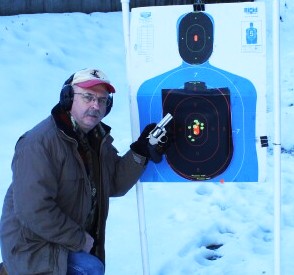
By Dave Workman
Editor-in-Chief
We’ve seen it many times before, and it has even happened to us.
One of your prized wheelguns just doesn’t seem to want to make holes in the bullseye like it use to, when nothing has changed. The load is the same, the target is set at the same distance, you might even be using a good rest.
But something isn’t happening! Precision sometimes goes to hell.
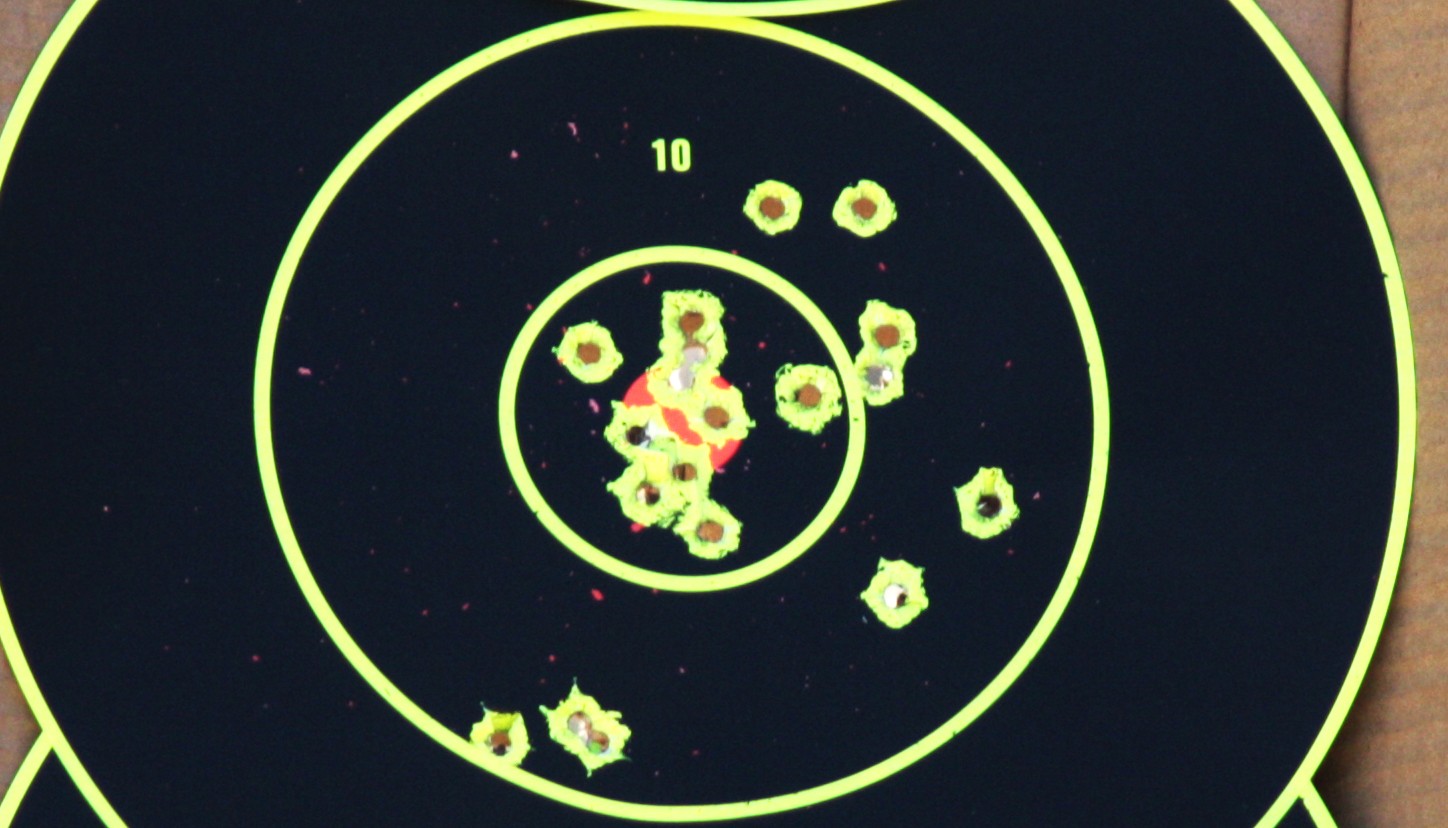
As a handloader of ammunition for several different handgun calibers, I’ve been using reliable loads for many years, but recently I’ve noticed something, in both my .45-caliber wheelguns and in a .38 Special Colt Diamondback. The .45s are single-action Rugers with fixed sights and they were shooting to the left. The Colt has an adjustable rear sight, and it started shooting inconsistently.
To address this dilemma, I switched my .38-caliber handloads from using HP38, a reliable propellant which has been around for decades, to CFE Pistol. Both propellants are produced by Hodgdon Powder, and CFE Pistol is capable of producing better velocities, when used behind either 110- or 125-grain JHPs. Then I settled down using a sandbag rest, slowly pacing each shot and finally got my wheelgun behaving again. In the process, I’ve found a new load recipe which seems to work a little better in my Colt, and hereafter I will stick with it.
While the .38 Special is sometimes considered anemic by certain individuals, I’ve packed various handguns chambered for this century-old-plus cartridge with nary a concern. I know it is capable of stopping small game and predators, and bad guys when the need arises.
But handgun marksmanship takes repeated practice to maintain skills and the ability to put lead where it’s supposed to go. Whether you’re shooting a revolver or semi-auto, the goal remains the same: Hit The Target!
So, off to the range I’ve been going, since I’m figuring on packing the Diamondback on the trail this summer, where a heavier sixgun will become a drag.
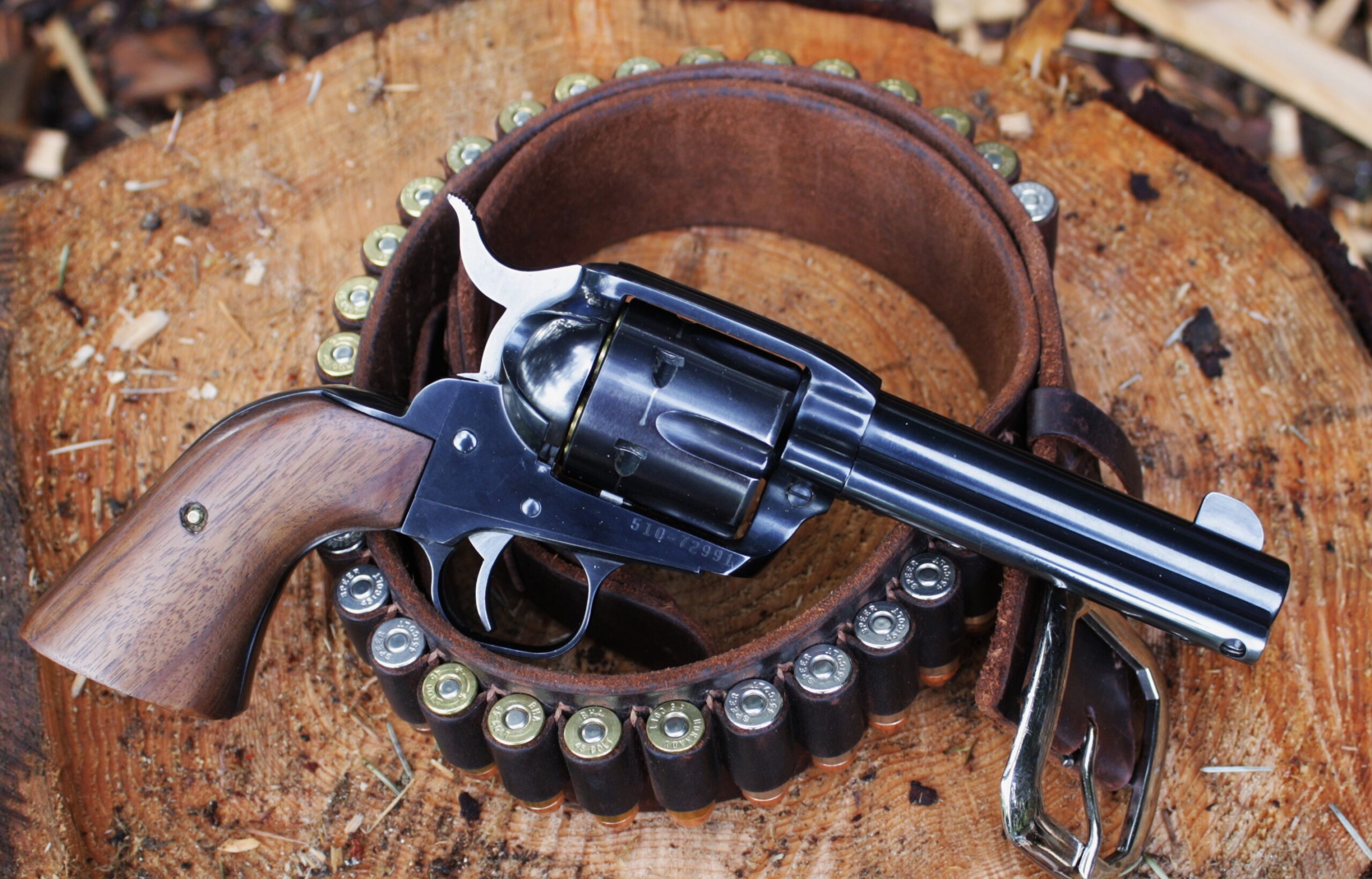
The .45 Colt-caliber Ruger with its 7 ½-inch barrel is just an impressive iron, and it is quite at home in areas where there is no pavement, and sometimes not much of a gravel road. I remember when I bought that New Vaquero model, a pal of mine who then worked at Ruger said at the time they were concerned about front sight placement, and I was happy to advise him my revolver shot just fine.
On Target
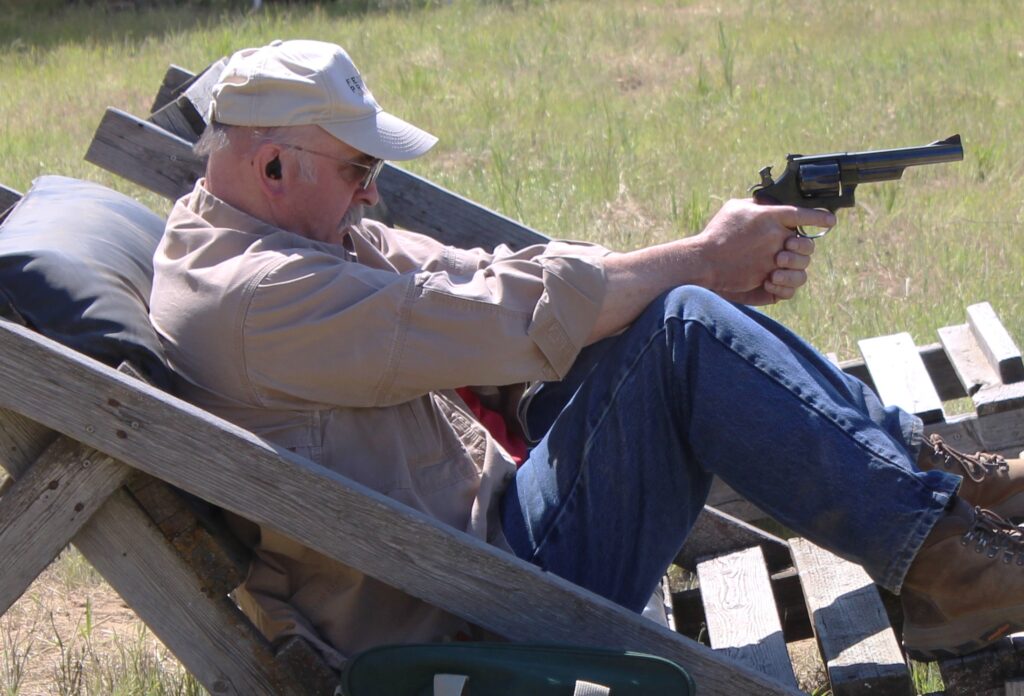
It is important to establish where your revolver sends rounds, so I invariably start checking new loads by firing single-action from a sandbag rest, even when using a double-action revolver. People who argue that D/A revolvers should only be fired double-action forget why they can be fired single-action.
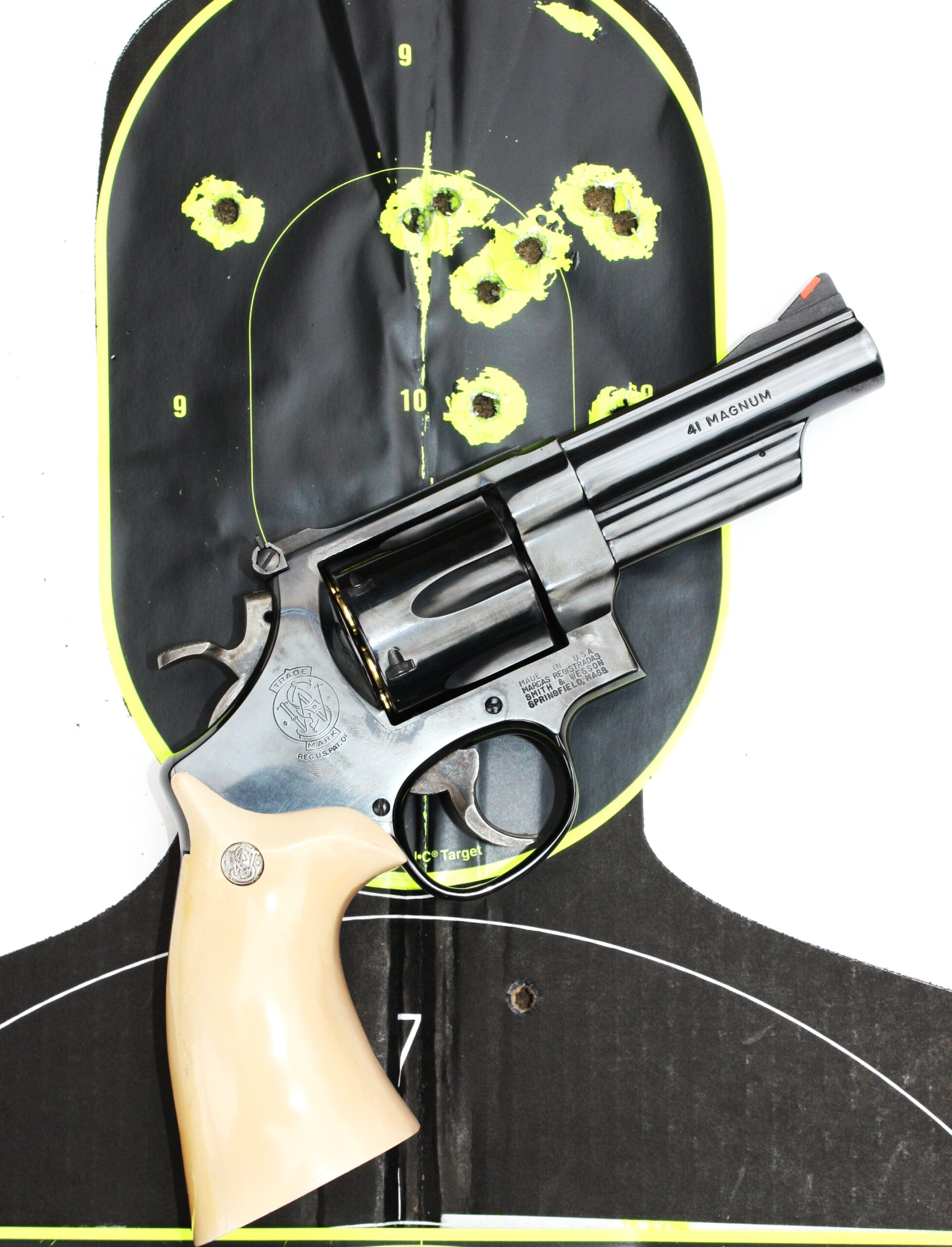
The late Elmer Keith fired his double-action .44 Magnums single-action, and I read one of his comments years ago which disdained the practice of bobbing the hammer spur of a double-action. His reasoning was pure common-sense. In an emergency, the ability to make a single, precise shot at close range precludes the notion of a bobbed hammer.
Having shot deer with both a single-action Ruger Blackhawk and double-action Smith & Wesson Model 57—both in .41 Magnum—I can attest to the advantage of a single-action precision shot.
My favorite targets are those from Birchwood Casey because they immediately show where bullets hit. Such targets don’t lie.
Fire a string of five rounds, taking time to aim at the same spot. When the shooting stops, you can immediately tell whether you are shooting high, low, left or right, and adjust your sight picture accordingly. With the Diamondback, I simply moved the rear sight to accommodate for the desired change in impact point.
Fortunately, my single-action guns aren’t unwieldy and I can compensate slightly one way or another, and hold up more or less of the front sight blade to accommodate for elevation. This takes some experimentation with different loads to determine what works best in an individual single-action sixgun. Once you find that bullet-powder combination, stick with it.
I like hitting the bullseye, and I enjoy bouncing tin cans around with any of my revolvers. Who doesn’t? Call it “instant gratification” and more importantly, you are learning to follow a target that moves with your sights, as each time you hit a can or ball or some other target you must quickly adjust mentally for the change in distance.
Once your handgun is “dialed in” and you can fill the X-ring from 15, 20 or 25 yards, you’re in business. You know where the bullet is going reflexively, so with a D/A wheelgun, you can start practicing double-action shooting. The more you shoot, the more you will improve.
Just because everyone else may be carrying a semi-auto, if they don’t practice, it’s going to result in launching a lot of lead in hopes of hitting what they’re shooting at.
In your case, shooting a wheelgun and counting your shots puts you ahead of the game. A carefully-placed bullet fired from a revolver will accomplish something, while “spray and pray” may, or may not, do anything, and remember this: A bullet that misses the target will hit something else.