By Mike Nesbitt | Contributing Editor
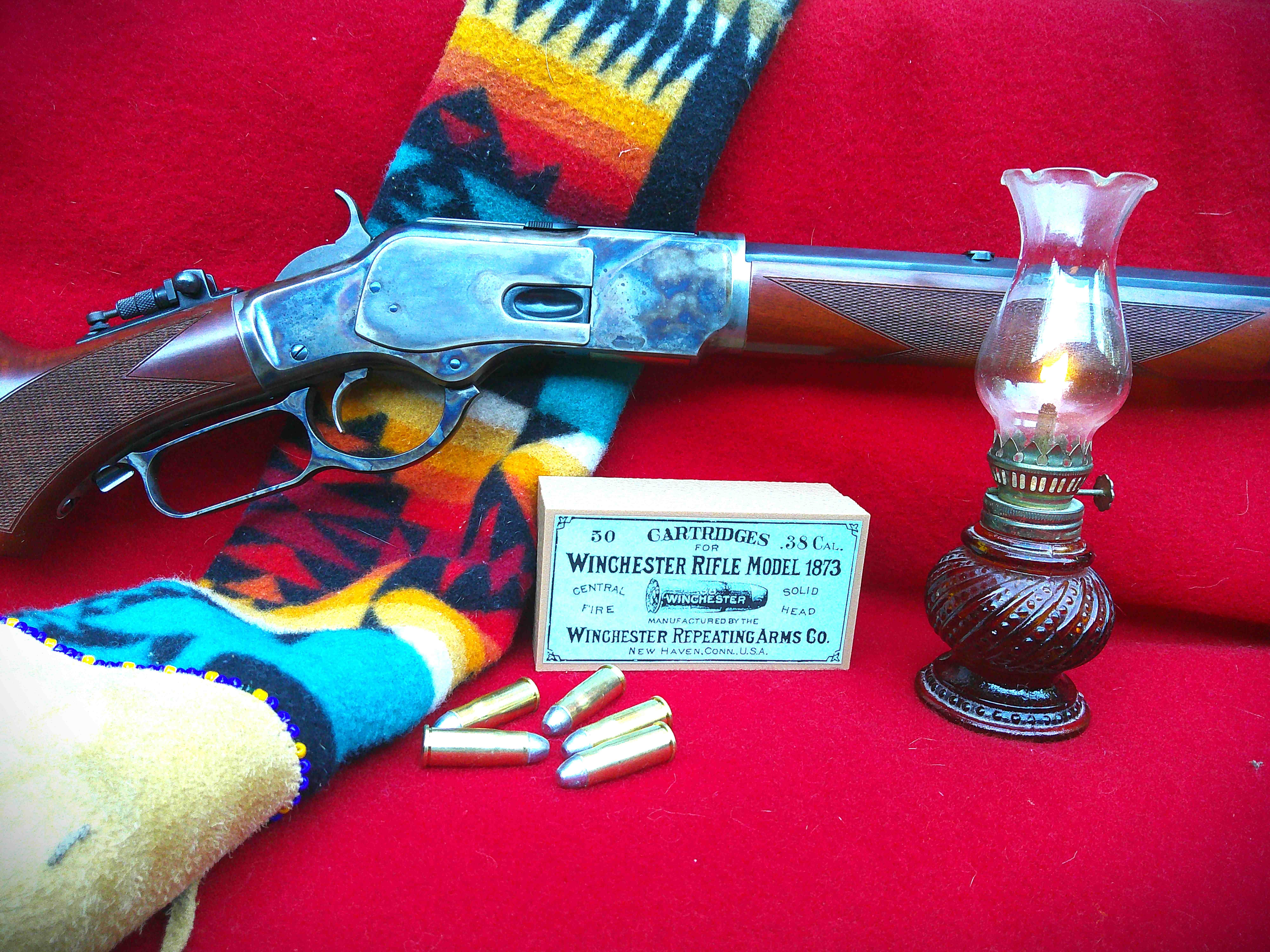
The conclusion of my previous article about the Cimarron 1873 Short Rifle in .38-40 caliber was not the best place to leave things sitting. Not at all!
But I really wanted to show how breaking-in a barrel when shooting with black powder can and will have very positive gains. Now I’ll continue with my report on shooting that rifle, with some updates on the loads, as well as more comments about breaking-in the new barrel.
First of all, let me explain that once a barrel is broken-in to using black powder loads, you should stay with those black powder loads. Switching to smokeless powder, especially if using jacketed bullets, will burn out or scrape out the black powder lube which “seasons” the barrel and you’ll have to start over when going back to black powder. Therefore, it is best not to mix your shooting with smokeless powder loads if you primarily want to use black powder. This is something that wasn’t said in my previous story and I do believe the .38-40 rifle was well broken-in, and now I can report on some excellent advancements.
That last paragraph was more or less an after-thought, a follow-up from my description of breaking-in the .38-40’s barrel. But now there is certainly more to talk about. Just two days after doing the shooting for the previous story, a bullet mold was delivered and that was something I had been waiting for.
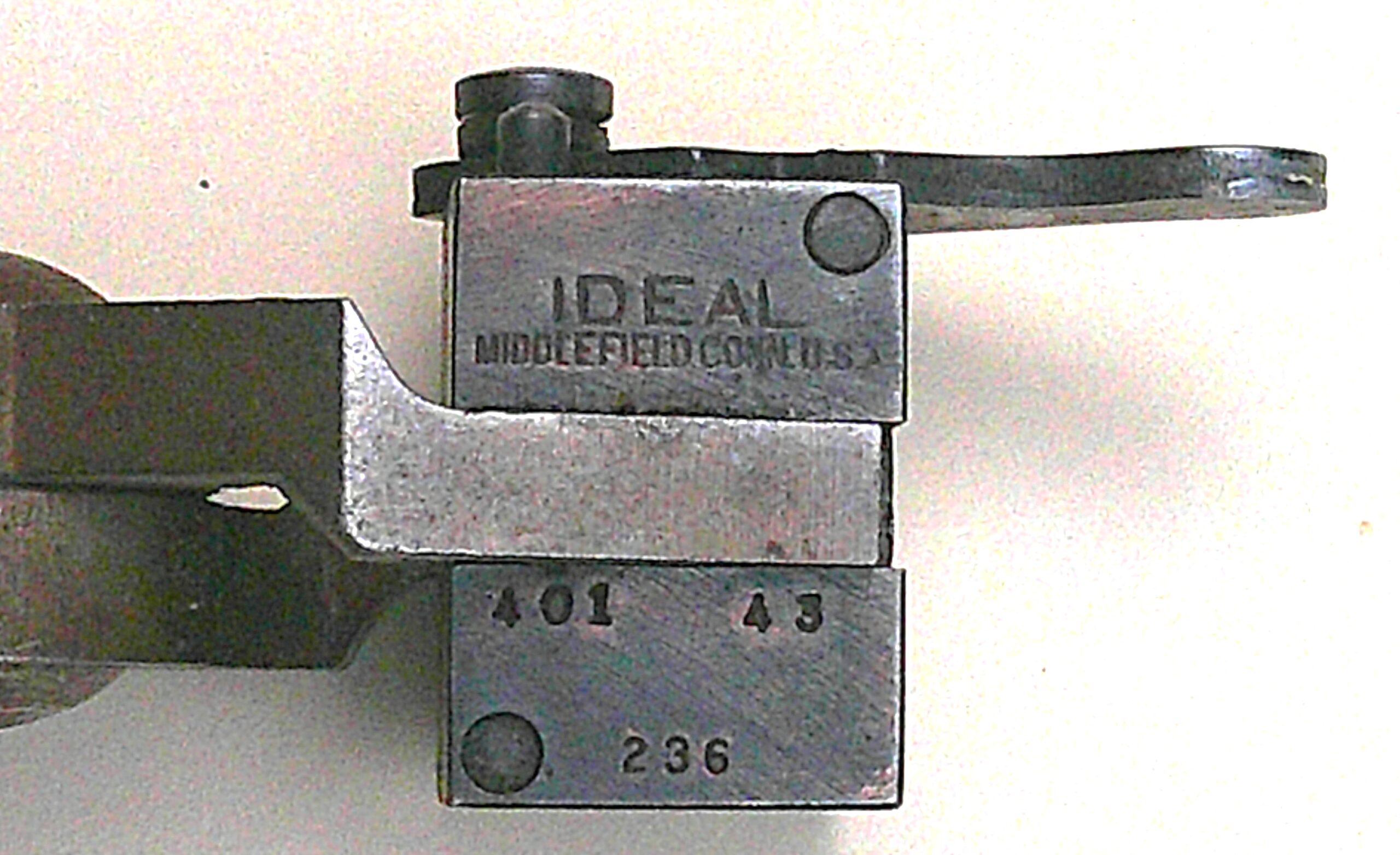
This was a Lyman mold for #40143, the old-style bullet for the .38-40 Winchester. Several years ago, that bullet was re-designated as #401043 to give it six digits for cataloging on a computer. And the mold I just received is marked “Ideal” which makes it a true antique, although it might not be quite as old as I am… The best part about this mold is that it showed no signs of ever being used, it might have been still brand new, although the box does show shop or shelf wear. (I’m not sure if this mold is still being offered by Lyman because I can’t find it listed by any of the usual dealers.) Within minutes of getting that good mold, it was attached to a set of handles and the lead pot was heating up a good mix to make those bullets.
Mystery Alloy
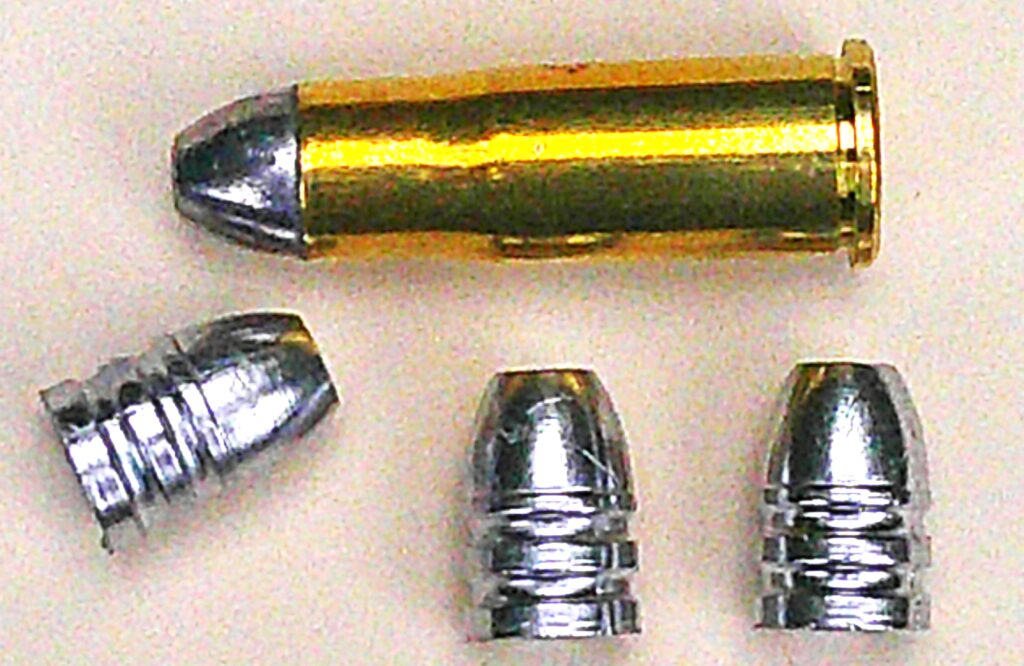
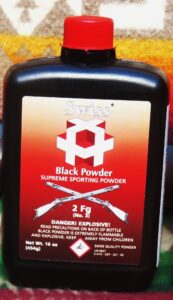
What the actual alloy was for those bullets will remain a mystery but one of the bullets was weighed at 176 grains, which is right in the ball park as far as weight goes. Those bullets were loaded in the empty, once-fired .38-40 cases with at least a few changes, differing from the previous load in almost all areas. The powder charge was changed from 33.0 grains of Olde Eynsford 2F to 33½ grains of Swiss 2Fg, for no reason other than to try it.
Another slight change was that a card wad, punched from the sides of a wax milk carton (use empty milk cartons, for sure) with a punch which I bought years ago for use with my .40-70 caliber rifles, was put between the powder and the base of the bullet. And the primers were probably different too, using CCI large pistol primers instead of Remington’s. All of these changes do not qualify as “tweaking,” they are simply changes for what might be a completely new load.
In tweaking a load, you want to change just one thing at a time, so it might be determined if that isolated change made any improvement or difference. With the new loads I had prepared for my .38-40, it would really be a brand new start.
The card wad over the powder should be mentioned just a little more. Recovered bullets which were fired without the wad beneath them will usually show several indentations on the base of those bullets where the grains of black powder are forced part-way into the lead while the bullet is being accelerated in the gun’s barrel. That can have an influence on accuracy simply because the indentations in the base of the bullet will be inconsistent from one bullet to the next. Putting the card wad over the powder serves to protect the base of the bullet.
Personally, I have never tried to test or compare the accuracy between lead bullets fired without the wads to those fired with the wads. You might say that my choice for using the wads is more to the idea that they might help and can’t hurt. For now, I’ll agree with that.
Twenty Rounds
With just twenty rounds of the newly loaded ammo ready, I was all set to do more shooting with the new Cimarron Model 1873 Deluxe Short Rifle, which was just begging to be fired. And, I admit, I was just begging to get some better targets than what were shot the first time when this rifle was tried. The breaking-in for the black powder loads was over with, or should be, and now it was time to do some better shooting.
Two of the new loads had shaved some lead off of their bullets’ bases just a bit when the bullets were seated and I kept those separated from the other loads. They were used for fouling shots, to lube and dirty the barrel before trying to shoot a good group. Most often, the first shot fired with a black powder cartridge, or a muzzleloader, will print a bit high and fouling shots are generally taken before “going for score.” This is true even if the bore is wiped after shooting the fouling shots. Both of those “bad” loads were fired at gongs and they both made good hits.
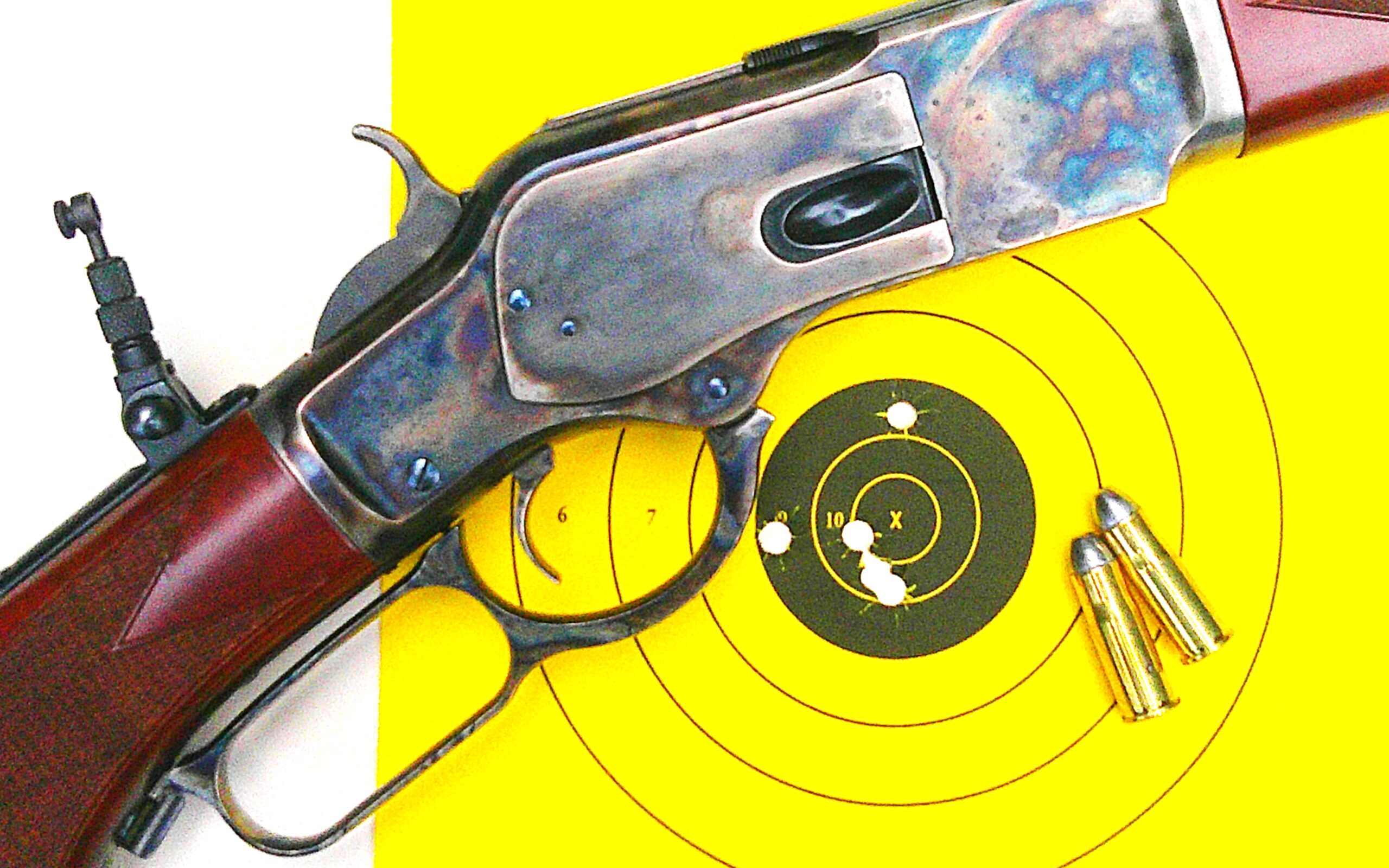
Then it was time to get serious. Like before, a small bullseye target was posted at just 25 yards and the Cimarron ’73 was placed over a raised rest on the bench. But the shooting, or the groups, were better than before. With all of the changes made in the load, it is very hard to assume that any one of those changes resulted in the better shooting. For now, I’ll suggest that the improvements in the grouping of those shots, over the first five shots fired this time, were made mainly because the rifle was still gaining experience.
That first group, fired on this second outing, had three shots in the black, with two 10s, and two more shots just out of the black to the left. My interest increased, somewhat as an echo of this better shooting, and a second target was posted. The second target was better yet, with two X’s but it still had a couple of shots out of the black. And those shots were speed checked with a chronograph and they showed the bullets from this new load traveling at 1,277 feet per second with an extreme spread of only 12 fps for the five shots.
Bullets from the previous load, with the Olde Eynsford powder, were traveling at 1,335 fps and the Swiss powder load was giving the bullets a speed which I had basically expected, being a little bit slower than the generally listed velocity of 1320 fps, taken from a 24-inch barrel. As shooting continues, I’ll be using some loads with Olde Eynsford and Swiss powders again just to see if either one of those powders will show a consistent advantage over the other.
A third bullseye target was posted, still at just 25 yards, and five more shots were taken. That produced the best group of all and this is the target which is shown in the photo, with all shots in the black and a score of 48-2X. This is the kind of performance that I was expecting. Also, let me note that while doing the shooting on the morning that these targets were shot, there was no cleaning or wiping the rifle’s bore at all. The fouling control was simply left up to the bullet’s lube, which with this ammunition was from Vigilante. Very pleasing, for sure.
Three ‘Improvement’ Rounds
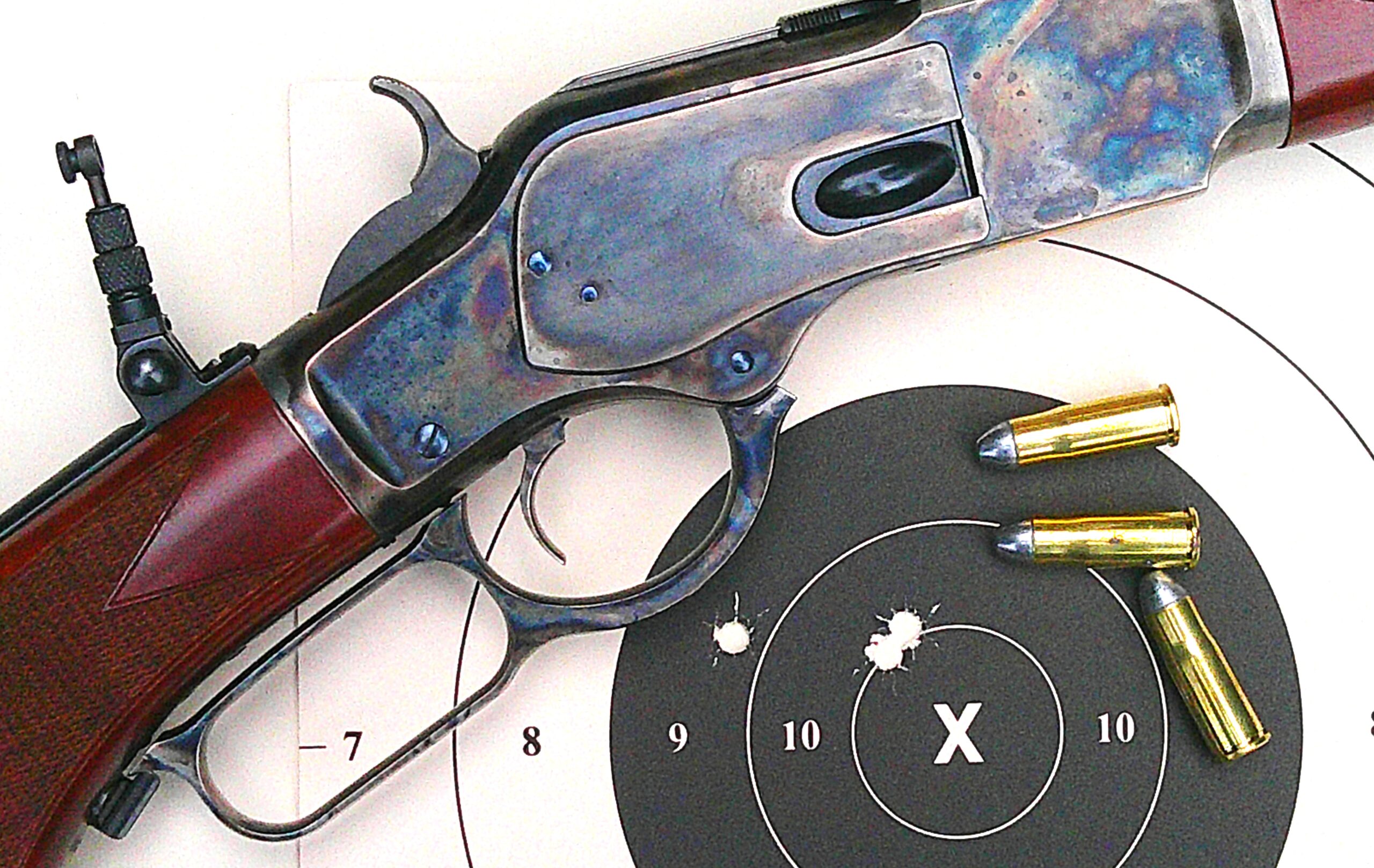
Out of the 20 rounds prepared for shooting, only three loaded cartridges remained. To use them, a larger bullseye target was posted at 50 yards and those three shots were fired, to see how they would perform at the longer distance. Remember that during the previous shooting session, the targets shot at 50 yards were not good enough to be photographed and anything that would be photo-worthy would be a real improvement.
The three-shot improvement was obvious. Two of the three shoots clipped the X-ring and the other shot was slightly to the left in the 9-ring. That pleased me and my only disappointment was that I was out of ammo for this trip to the range.
But the shooting with this Cimarron ’73 in .38-40 really delighted me this time. I’m also pleased that this story shows improvement in the black powder shooting, and how a new rifle might not perform the very best until the barrel is well broken-in, accepting the black powder loads. Of course, now that the gun is performing well, more shooting will go on.
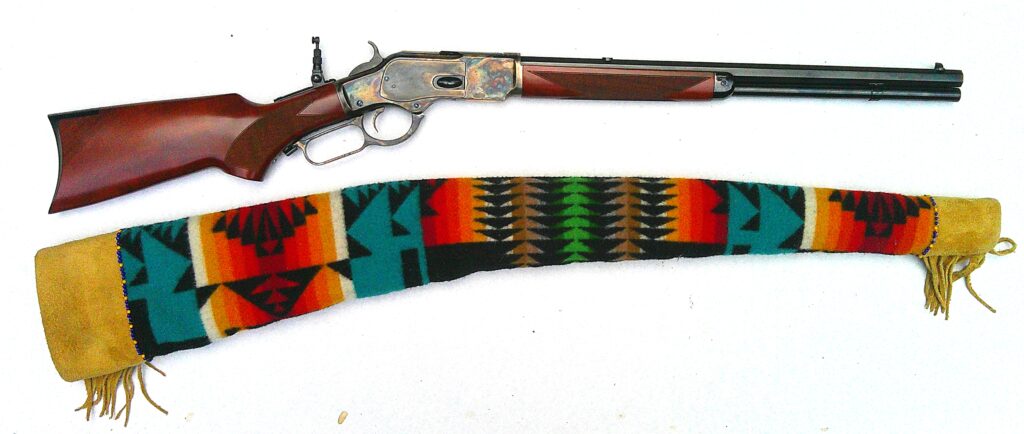
There will be another modification to the rifle (I’m considering the addition of the Lyman tang sight as one modification), a spring kit will be installed which will give this rifle a better (lighter) trigger-pull as well as a softer spring for the lever safety. Coming soon is another of our club’s Lever-Gun Matches and I have plans to use this .38-40 in that competition as well as on the trail walk. The coming match is what we call a “fun match” because it is not part of our yearly aggregate. Performance on the trail and in the competition event will be reported on soon. One more little thing, just to show that this ’73 Short Rifle can now feel at home, I’ve made a blanket gun cover for it which, I hope, will grace the gun in an “Old West” way.