By Dave Workman
Editor-in-Chief
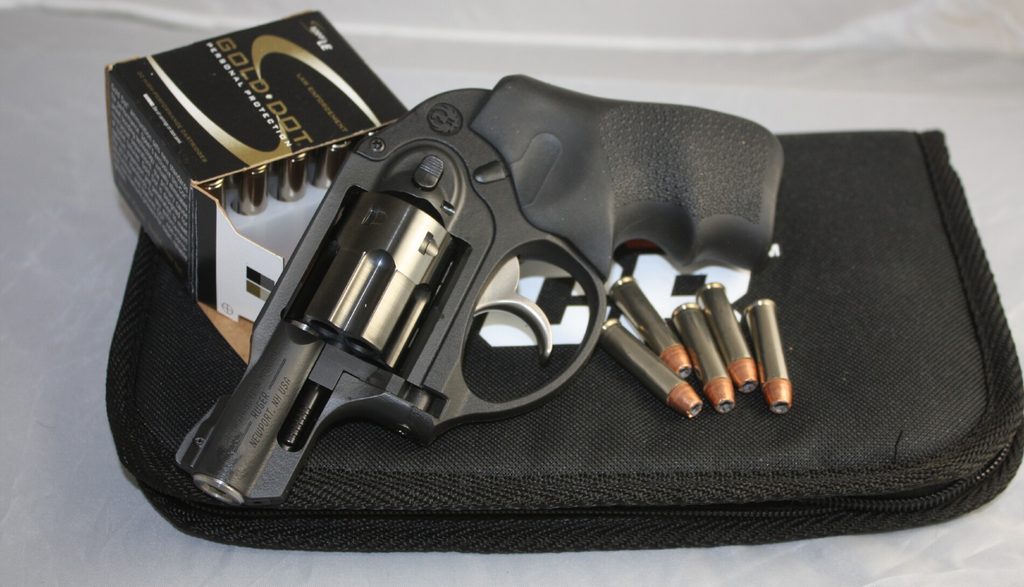
Every once-in-a-while, I get something wrong, and so it was with the Ruger LCR, a compact little wheelgun which made its first appearance way back in 2009 as a hammerless DAO, and four years as the LCR-X, with an exposed hammer, which I quickly liked.
Like the Ruger LCP, which stands for Lightweight Compact Pistol, the LCR was short for Lightweight Compact Revolver. When it first appeared, the little revolver hit the scale at less than a pound, with 13.5 ounces being the official publicized weight.
I can say without fear of contradiction—and from experience having field tested a couple of these guns—when they were chambered in .38 Special, .327 Federal Magnum or .357 Magnum, they really bucked.
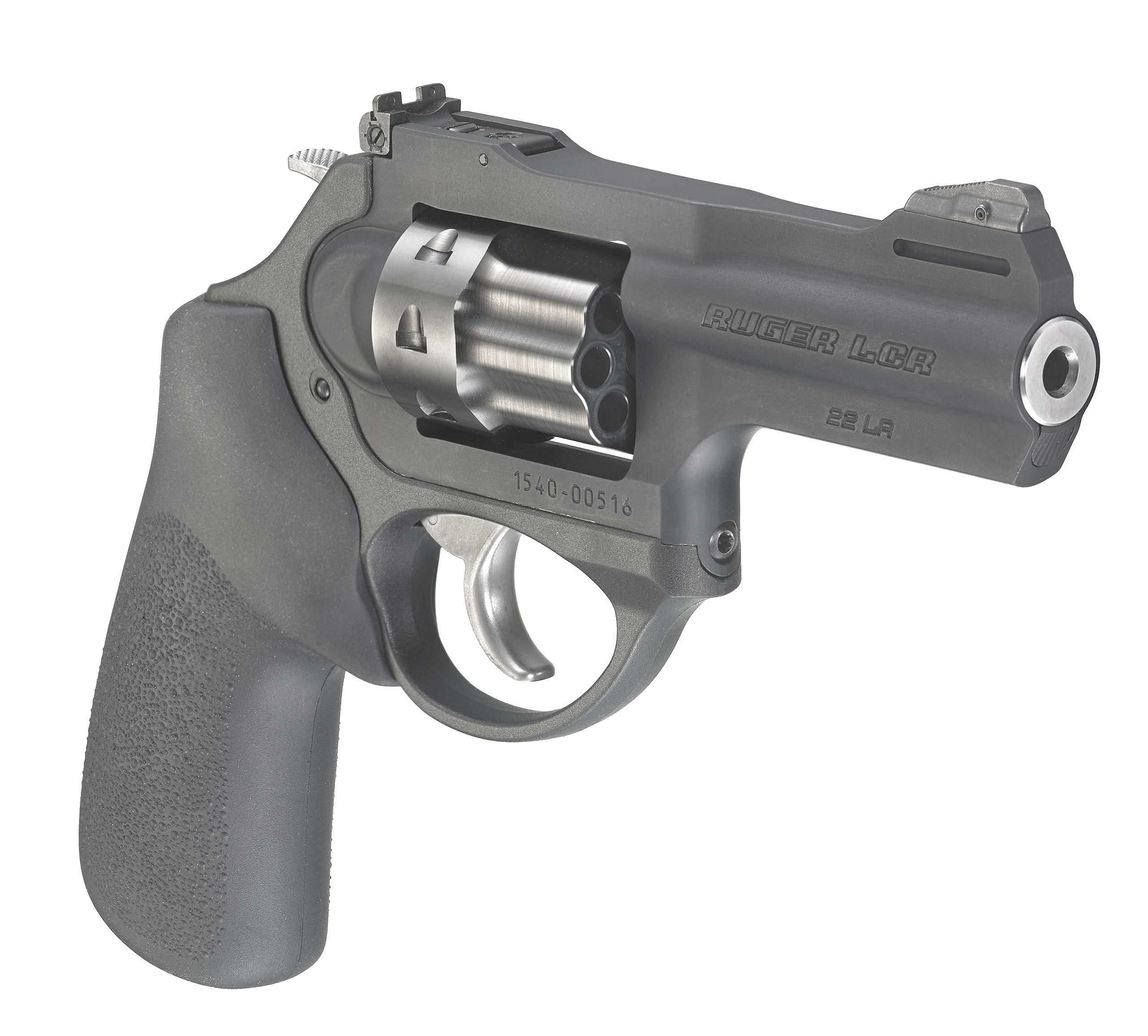
Ruger’s first LCR models in .38 Special were built with a combination of aluminum alloy and glass-filled polymer, and from what I could tell at the time, the hammerless models gained a decent following by people needing a concealable handgun with stopping power. This even applied when the .22 Magnum-caliber specimens started showing up with six-round cylinders instead of the five-rounders offered for the centerfire models.
The molded trigger guard was larger than on my J-frame S&W revolvers, which made for easier use while wearing gloves, but the smooth trigger was comfortable when pressed and as I recall, the double action trigger pull wasn’t so bad.
Somewhere in my files I’ve got some photos of an LCR with some targets I shot, and as I recall, my test gun was a decent little shooter; the kind of wheelgun one would tuck in the pocket of a down vest or winter parka, or a woman might carry one in her purse or pocket. In an ankle holster, you would hardly notice the weight, and carried elsewhere it was almost like having no gun at all, until you needed it. If there was ever a definition of an ideal carry piece, the LCR would probably be mentioned.
Still, I remember being initially skeptical of the genre because, well, plastic wheelguns ought to fire roll caps, and this was even after I had field tested a couple of LCR models.
That was until I tried one out at a SHOT show and then got hold of one for a more thorough field test. It went “BANG!” with authority and was actually rather impressive. Because of the materials, including stainless steel barrel, it was actually virtually impervious to Pacific Northwest weather.
I can vaguely recall my wife saying it looked like a toy, but after my first genuine range session, I changed my mind completely and decided Ruger was onto something. The little revolver came boxed with a handsome black padded carrying case; a nice package all around.
Alas, production of the LCR, like other iconic Ruger wheelguns, has been suspended, which does NOT mean they’ve been discontinued completely. And, I’d venture a guess that one can still find an LCR at a gun shop or gun show.
Barrels are cut with a 1:16-inch right hand twist.

While Ruger has scrubbed specs and other information about the gun from its website following the “suspension” announcement, a glance at Wikipedia reminded me that the “monolithic frame is made from aerospace-grade, 7000 series aluminum in .22 LR, .22 Magnum and .38 Special +P models and from 400 series stainless steel in the powerful .357 Magnum, 9mm Luger and .327 Federal Magnum models.”
I vaguely recall pulling off the highway between Ellensburg and Yakima, Washington during my field test and photographing the handgun. Darned if I can find that image, either, but I’ll keep looking.
As I recall, that particular test gun was in .327 Federal, and that allowed me to burn up some .32 H&R Magnum rounds in the gun. I’m actually more fond of the H&R Magnum load than the .327 cartridge, perhaps because I handload for the magnum—for a Ruger Single-Six fixed-sight sixgun I own—and it’s plenty snappy in a snub gun as the LCR is.
Fortunately, Ruger designers fitted the LCR with a textured rubber wraparound grip which, I believe, may have been produced by Hogue, due to the bump-type texture. That grip soaked up some of the recoil, and actually fit my hand fairly well.
I think I tried that revolver in a Mitch Rosen ankle rig I have for a J-frame Smith & Wesson, and also in a pancake-style rig from DeSantis.
Revolvers have come and gone, and I’m kind of hoping the LCR will make a comeback somewhere over the horizon. It was what one might consider as a “hideout” or “backup” gun, and in retrospect, a better idea than I originally assumed. If you own one, by all means keep it. Online reviews from various users have been favorable over the years, and I suspect the LCR models now in circulation will keep performing for a very long time to come.