By Dave Workman
Editor-in-Chief
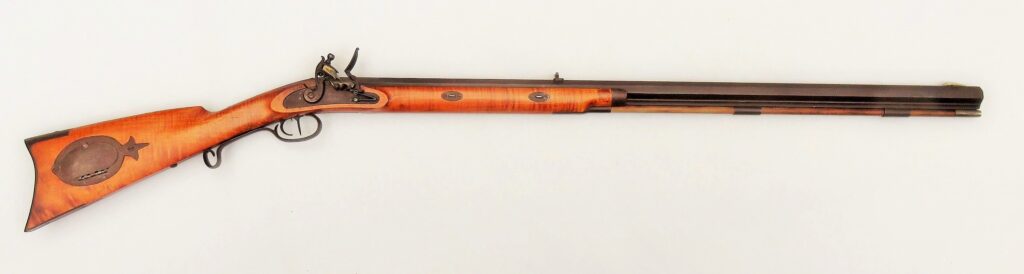
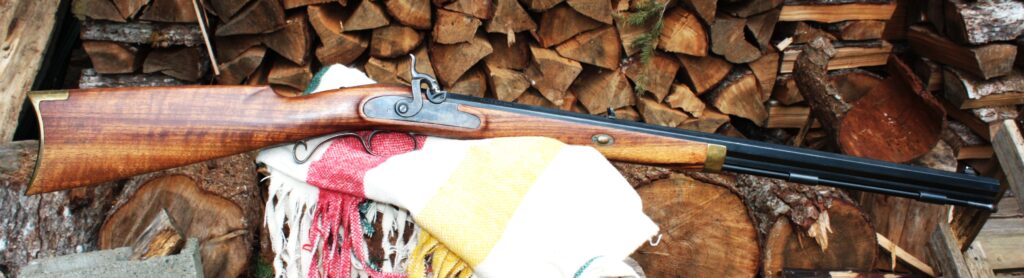
The Associated Press appears to have turned its attention to a segment of the shooting fraternity which has pretty much been left alone over the history of the modern gun control movement: black powder firearms such as Revolutionary War-era muskets, and muzzleloading rifles of the early 1800s.
A story headlined Muskets like those from 1776 are mostly exempt from today’s gun laws was quickly picked up by nearly a half-dozen newspapers, including the Los Angeles Times. The giveaway line revealing where this topic might be headed comes early in the report: “Well, under federal and most state laws, many antique or replica guns aren’t technically considered firearms. In most places, even convicted felons can own them.”
But Mike Nesbitt,TGM’s black powder/muzzleloading contributing editor observed, “Black powder guns are not used by the criminal element or the terrorist element.”
He then mused, “Muzzleloading arms have not been regulated (like modern firearms) for years. Is this something they just noticed?”
Nesbitt considers his colleagues in the muzzleloading community to be “probably the most patriotic Americans of all. We reenact frontier times (and) colonial times and even (participate in) Cowboy Action shooting.
Bylined by AP general assignment reporter Allen G. Breed, the story opens with a description of a musket load consisting of 165 grains of black powder, which can launch a lead musket ball “at a velocity of around 1,000 feet (305 meters) per second.”
“Imagine,” the story asks, “what that can do to a human body.”
Everywhere, the story is run word-for-word, whether in the Northeast Mississippi Daily Journal or the Bozeman Daily Chronicle.
When the Gun Control Act of 1968 was debated, the story recounts, the late Texas Sen. John Goodwin Tower, a former Democrat who became a Republican, “argued that flintlocks and many other antique or replica guns should be exempt from regulation.” He contended the exemption was necessary “to relieve an unnecessarily burdensome problem for serious collectors of antique firearms and for historians and museums.”
As a result, muzzleloading flintlocks and caplocks, along with percussion pistols and revolvers to include such Old West sixguns as the .36-caliber 1851 Navy Colts carried by James Butler “Wild Bill” Hickok are not regulated like modern firearms.
“But,” the story reminds readers, “these weapons are still deadly.”
A provision in federal law protecting black powder muzzleloaders (i.e. matchlock, flintlock or percussion cap) guns by defining them as antiques has not been targeted for attention until now.
Today, muzzleloading groups rely primarily on replica firearms, and some “mountain man” enthusiasts even build their own guns. Companies such as Thompson/Center, Lyman, Traditions, Connecticut Valley Arms and others offered either finished rifles or kits for home gunsmiths in the past, and even today at gun shows one can find people with those traditional-style muzzleloaders for sale or trade.
They simply don’t show up being used in crimes.
Modern muzzleloaders, also described as “inline” models because they resemble modern centerfire rifles, and only load from the front, have pretty much captured today’s muzzleloader hunter. However, Pennsylvania has had a flintlock-only season for many years. In other states, so-called “primitive weapons” seasons have slowly been adapting to modern inline muzzleloaders, but there are still some people who stick to traditional muzzleloaders.
And there are also thousands of reenactors who enjoy everything from colonial to mountain man/buck skinner-type activities, from weekend shoots to battle reenactments and Rendezvous events with full camps. Participants at such events are hardly criminals, and despite all of the blue/gray gunsmoke, nobody gets hurt.
But muzzleloaders are still guns. For some people, that is apparently enough to be triggered.