By Lee Williams
SAF Investigative Journalism Project
Ask any longtime shooter to name a single piece of gear available today that they wished they had when they first started shooting years ago. If they hear you correctly, and you don’t have to repeat yourself too many times, many will likely say, “suppressors.”
It doesn’t matter what you call them—silencers, cans, gun mufflers, whisper pickles or suppressors—they work extremely well, and dramatically reduce the decibels headed toward your ears.
Depending on the type of suppressor you’re using, the firearm, its caliber and ammunition, the results can be simply stunning, amazing in fact.
Today, suppressors are easier to purchase than ever before, although they still require federal oversight, which may soon be changing. Turnaround time from filing your federal paperwork to picking up your suppressor can be measured in days if not hours, as opposed to months or even years as seen when Joe Biden’s ATF was in charge. Also, they’re dropping in price.
More organizations are speaking out on behalf of the cans, telling anyone who cares about maintaining their hearing that suppressors are effective, which is not what the anti-gunners want to hear.
In fact, the Centers for Disease Control and Prevention, or CDC, through its the National Institute for Occupational Safety and Health, took a pro-suppressor position, stating suppressors offer, “effective engineering controls to reduce hazardous gunshot noise at the source, lowering peak sound pressure levels at the shooter’s ear by 17 to 26 decibels.”
In other words, cans are good, which is why they’re legal in 42 states.
Lifetime shooters struggling with hearing loss and tinnitus may actually become a thing of the past, but unfortunately a lot depends on where you live.
Suppressors remain prohibited in Hawaii, Illinois, New York, New Jersey, Massachusetts, Rhode Island, Delaware, and the District of Columbia and, of course, California.
These deep blue states are apparently worried that hitmen, assassins or gangsters may go to a gun store, choose a suppressor, fill out the federal paperwork accurately—including their full name, address and other personal identifiers—wait until their suppressor purchase is approved, return to the gun store, pick it up and then sally forth and commit armed, albeit quieter, mayhem.
Timothy Wheeler, MD, is a retired surgeon and director emeritus of Doctors for Responsible Gun Ownership, (DRGO) a project of the Second Amendment Foundation. DRGO is a nationwide network of physicians, health professionals and others who support the safe and lawful use of firearms.
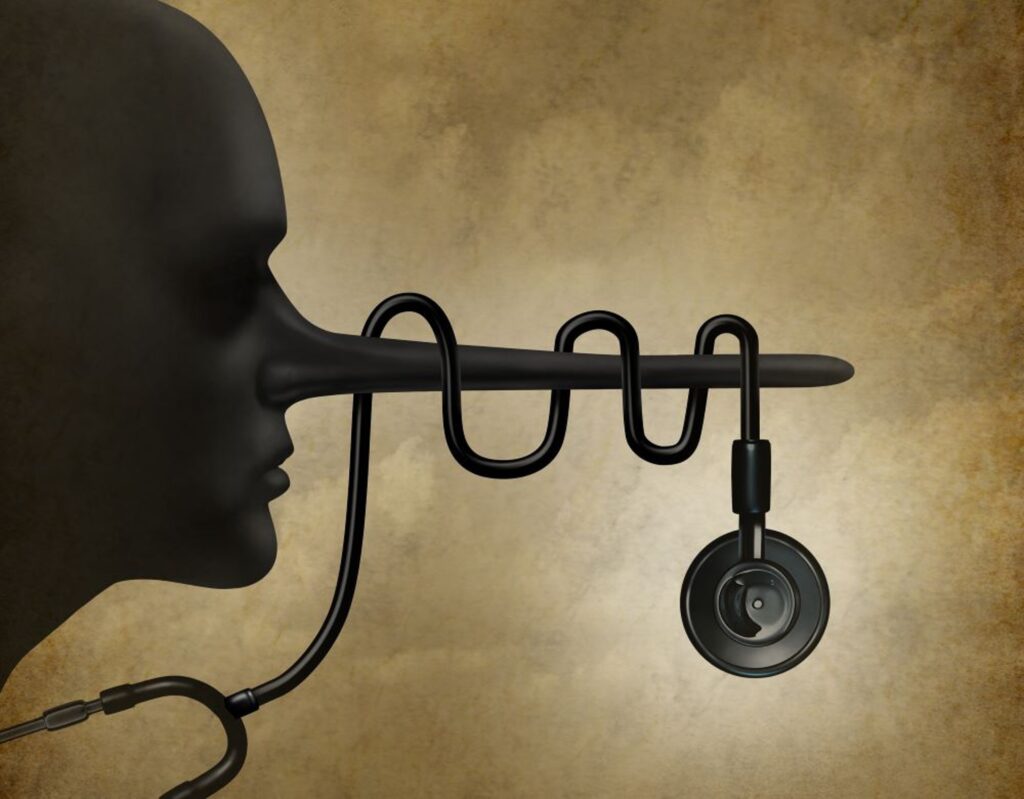
The California Medical Association, Dr. Wheeler says, is “stubbornly refusing” to endorse suppressors as a way to reduce hearing loss, even after the CDC report said they function extremely well.
For Dr. Wheeler, who lives in southern California, the CMA’s rebuke was not a surprise.
“This is consistent with their three-decade policy jihad against gun owners. That physician organization, a state affiliate of the AMA, has actively supported sky-high taxes, bans, and all sorts of criminal penalties for gun owners. In a word, they hate us,” Dr. Wheeler said. “With this latest move, it’s clear they refuse to help prevent an untreatable disability—noise-induced hearing loss—in gun owners, and they think we should go to prison if we dare to put a muffler on our firearm here in California.”
The CMA did not respond to multiple phone calls or emails seeking information about their position on suppressors/silencers.
Their unwillingness to even discuss whatever issues they may have with modern suppressors was expected, of course. If you shoot a gun you deserve to lose your hearing, I’m sure they believe.
Hiram Percy Maxim—whose father Hiram Stevens Maxim invented the first machinegun—was granted the first American patent for a suppressor in 1909, which should have been enough time for the newness and scariness to have worn off.
Suppressors should be available without any paperwork—especially federal paperwork.
One should be in included in the box with every firearm purchased in every state—especially California.
The Second Amendment Foundation’s Investigative Journalism Project wouldn’t be possible without you. Click here to make a tax-deductible donation to support pro-gun stories like this.