By Dave Workman
Editor-in-Chief
Many years ago, when I started shooting muzzleloaders, my wife went to work with a sewing machine and put together a nice heavy wool blanket cover for my Lyman Trade Rifle, a 54-caliber caplock which I got on a steal.
My first order of business with that Smokepole was to strip off the rather crummy stain, pull off all the brass fittings—buttplate, trigger guard and front end cap—and go to work with increasingly finer-grained sandpaper, finally buffing the wood surface to a handsome shine with 1,000- or 1,500-grit. In the process, I brought out some interesting grain which had vanished under the stain.
I then hand-rubbed every inch of that rifle stock with warm linseed and tung oil, let it set for about a week not far from the wood stove, and then rubbed the stock with—believe it or not—warm neutral shoe wax. The finish was something to write home about! It also protects the wood from moisture.
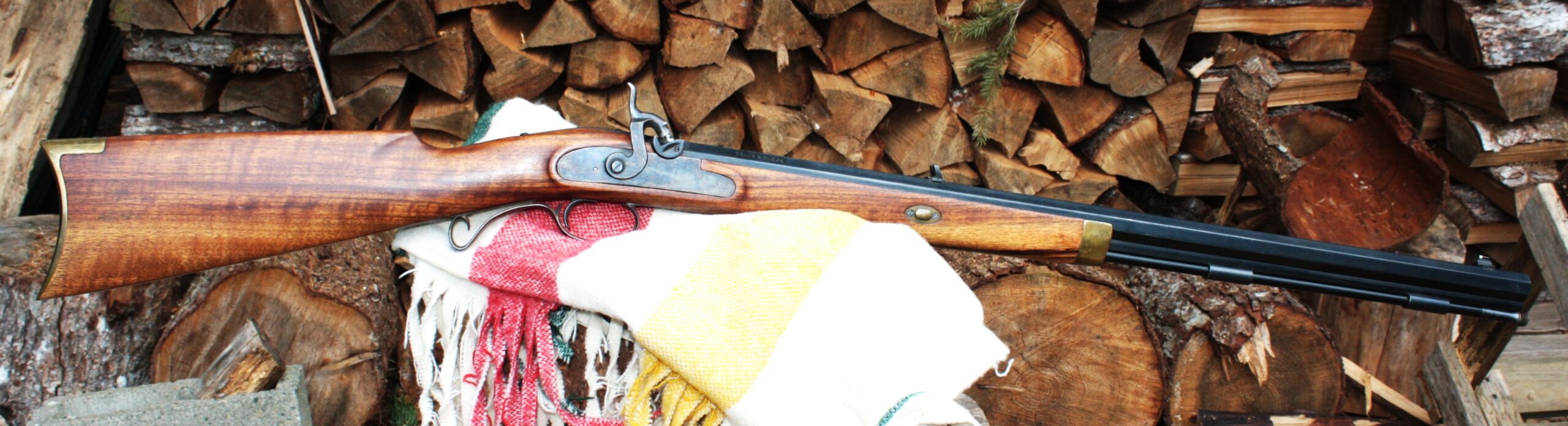
My next order of business was to install a white bead front sight, add some cold blue to a few spots on the barrel, smooth it all off with steel wool and give it a light coat of oil. In the bore, I cleaned out some gunk, boiled it out and while the barrel was still hot, I ran several patches impregnated with Bore Butter down the length to “cure” the bore. I eventually replaced the original brass trigger guard with a blue steel model from a Plains rifle.
Best of all, once reassembled, I found I could hit a bowling pin at 75 and 100 yards with a patched .530 round ball, or a now-discontinued Buffalo Ball-et.
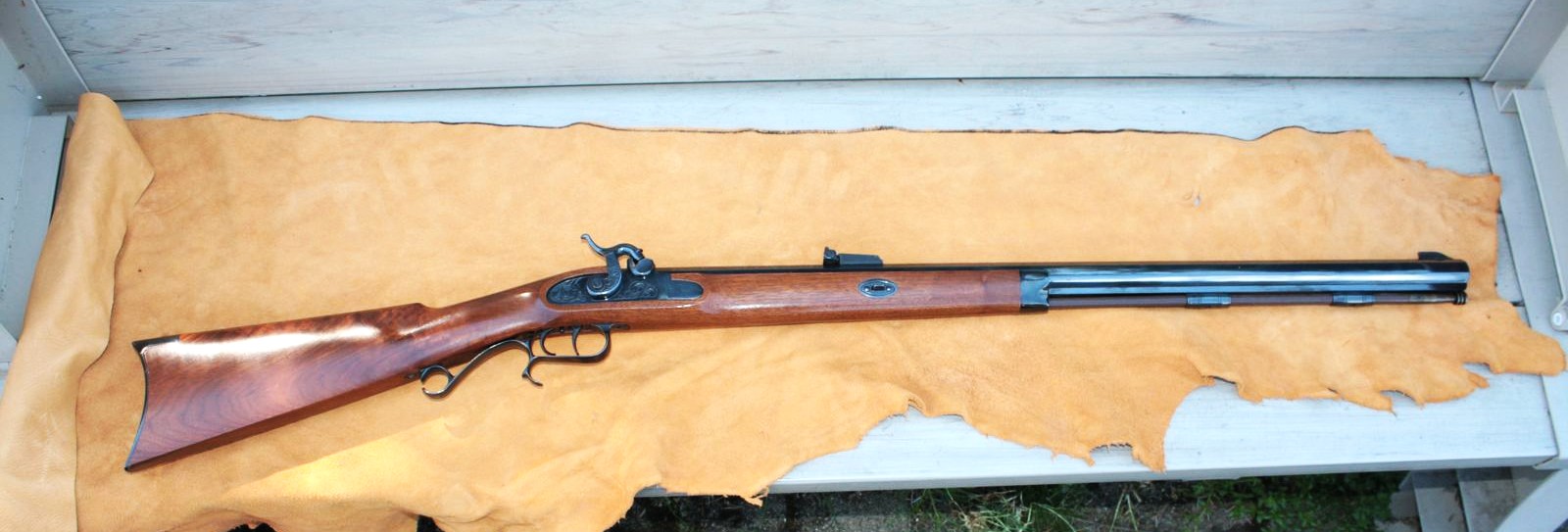
A few years later, my tastes hadn’t been dulled and I acquired from Thompson/Center one of that company’s drop-dead gorgeous Hawken Custom rifles in .50 caliber. It has a nice stock, double-set triggers, and the metal finish is deep blue, even on the curved butt plate, trigger guard and front-end cap. The octagonal barrel was handsomely polished almost to mirror perfection. It has an adjustable rear sight, blade front sight and with a 1:48-inch twist will shoot patched round balls and heavier projectiles such as a Maxi-Ball and Buffalo Ball-et rather nicely.
One significant upgrade I made with both rifles was the replacement of the wooden ramrods. Both rifles now are equipped with synthetic ramrods, each fitted with a jag tip. It isn’t period correct, but it darned sure is practical.
Once again, my wife’s sewing machine went to work, this time producing a handsomely red wool cover which was, alas, not as heavy as the first one for the Lyman. This one hasn’t fared well over the years, so recently, I decided to remedy the situation by building a leather cover.
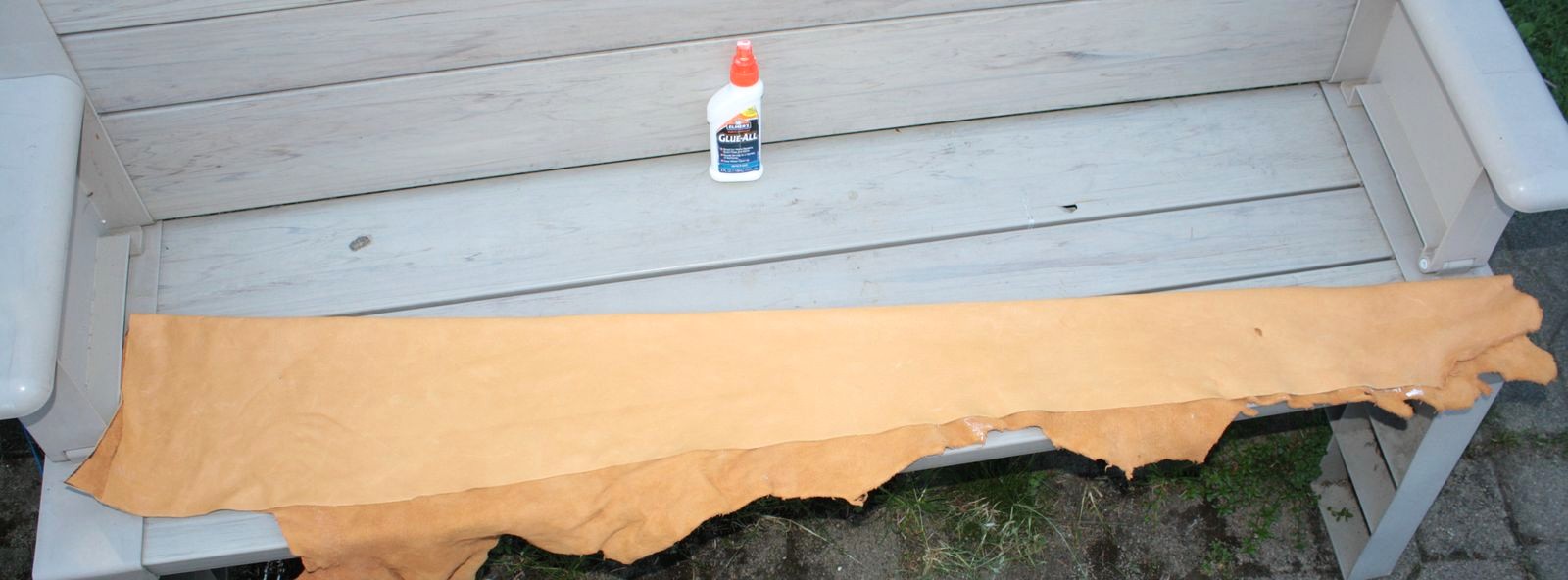
Someone had given us a full elk hide a few years ago, tanned and soft as a glove. I had stuck it in the loft of my workshop and essentially forgotten about it…until now.
I carefully cut out a section long enough to cover the T/C with several inches left over to fold back over the buttstock and tie off.
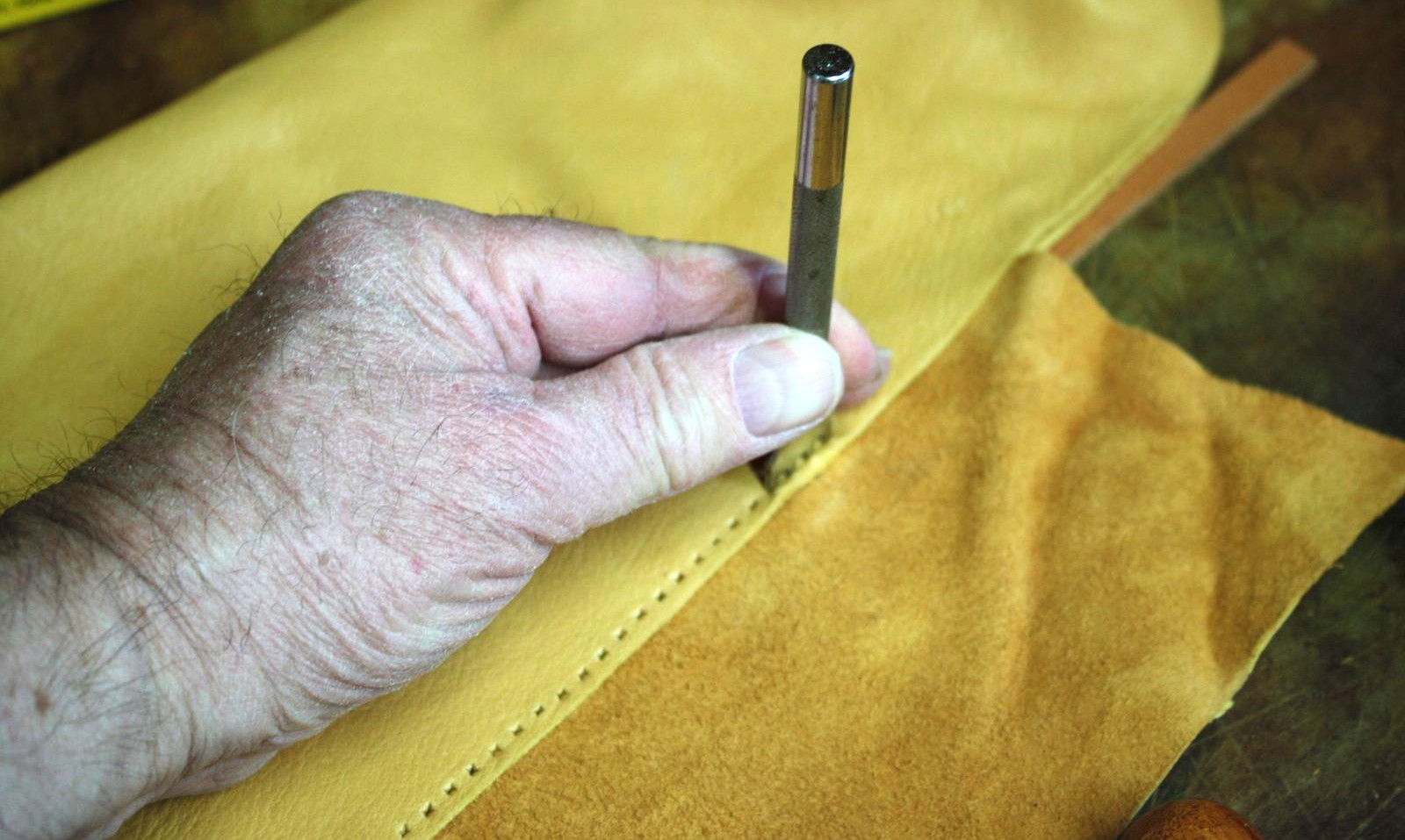
The way to do this is to make sure there’s enough leather to fold completely over the rifle, giving it some room, especially at the hammer. Once satisfied, I ran a thin line of glue along one edge and then folded the leather over, making an elongated pouch/scabbard. Allowing it to dry and set for a couple of hours, the next step was to punch holes using a tool I acquired some years ago from Tandy Leather.
Then I simply stitched it together.
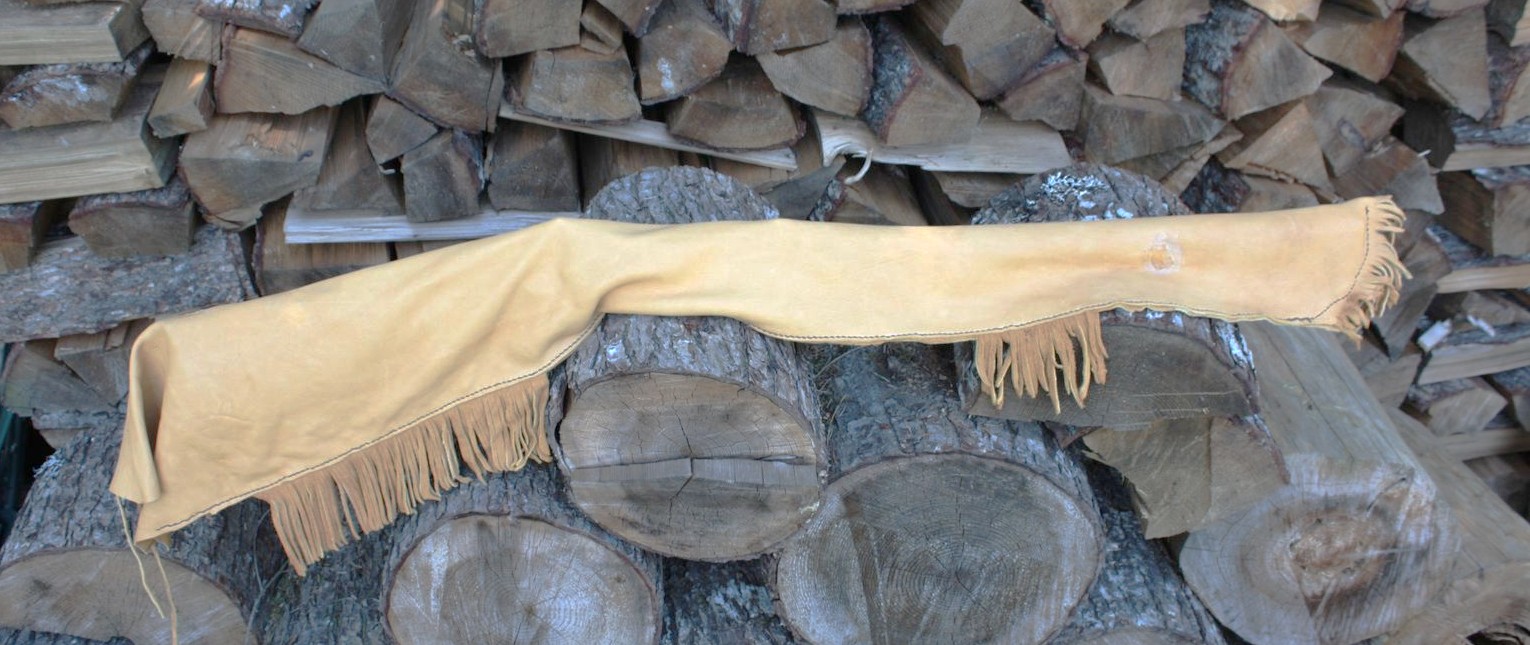
During this process, I left the overhang which is natural when trying to bond a folded elk hide. Once the stitching was completed, I carefully went through these extended sections of leather with a very sharp blade and sliced them into fringes. They measure about 1/8- to 3/16-inch wide on average and they look pretty snazzy!
I expect in a couple of years, this rifle cover will be showing some “character,” with maybe a stain here and there, but I anticipate it will remain functional for as long as I need it.
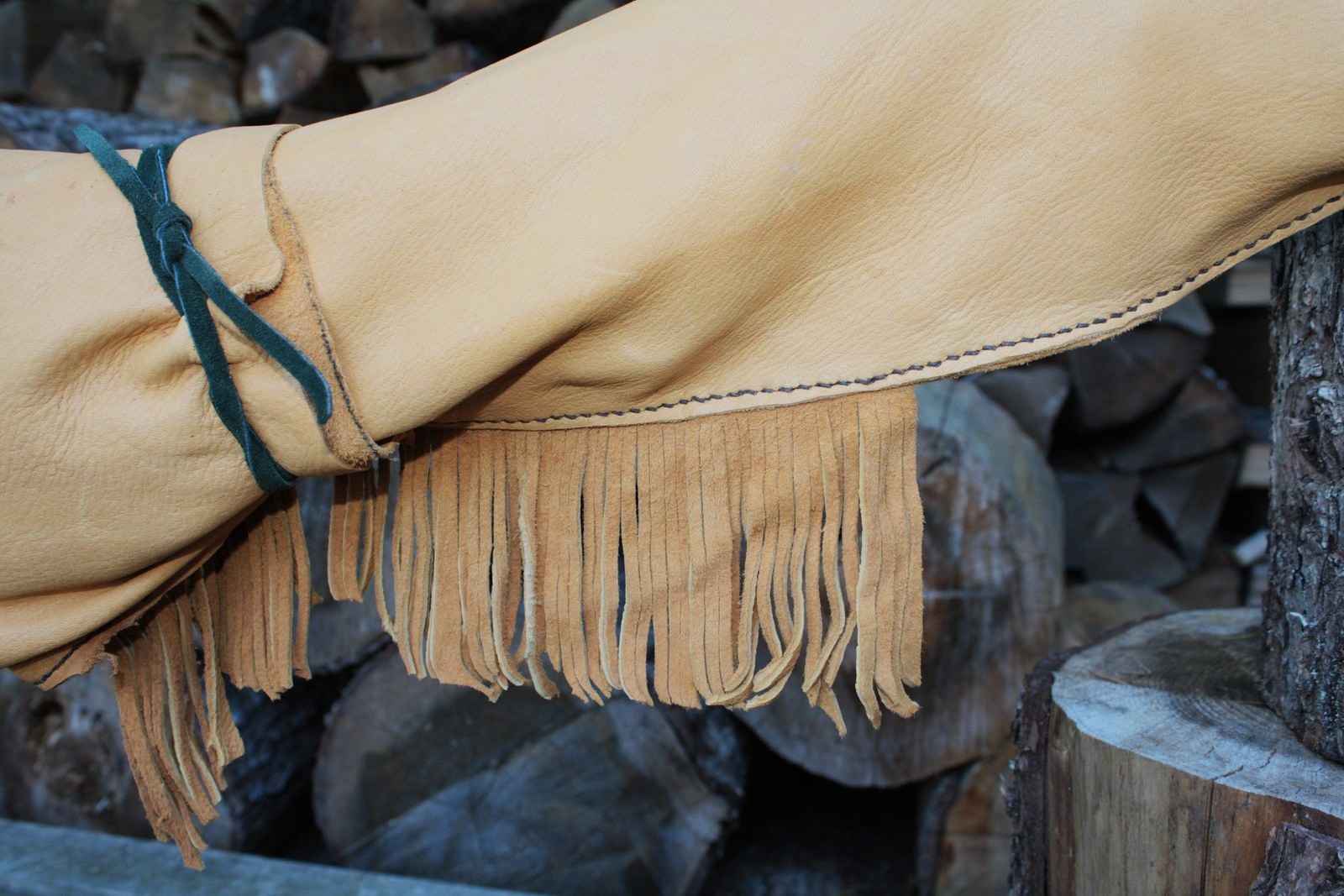
To finish things off, I may apply some oil or spray-on silicone, which will be hand-rubbed into the leather. That may be a project somewhere over the horizon. For now, I’ll be spending more time back at the range, getting re-acquainted with both black powder guns.
In a world now dominated by in-line muzzleloaders, call me hopelessly romantic, or just nostalgic. Caplocks just appeal to me, and so long as they shoot good, I’m in no hurry to change.