By Dave Workman
Editor-in-Chief
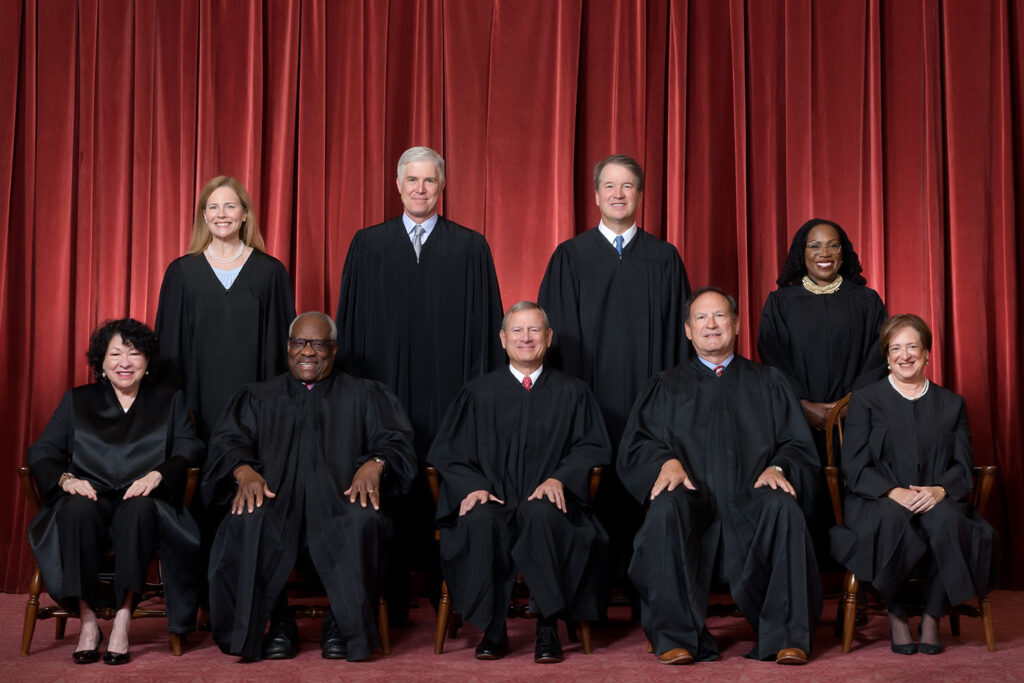
The U.S. Supreme Court could be a few months away from handing a major defeat to gun control proponents by striking down Hawaii’s restrictive law which bans firearms carry on private property open to the public.
Reports flashing across the media note such a ruling would also be a crushing blow to similar laws in California, Maryland, New Jersey and New York. A favorable gun rights ruling could also be a deterrent to Democrat lawmakers in other states who are pushing for similar restrictions.
The Los Angeles Times is reporting that conservative justices—who have a 6-3 majority—signaled “they are likely to strike down the new laws in five Democratic-led states.”
The newspaper quoted Justice Samuel Alito Jr., observing, “You are relegating the 2nd Amendment to second-class status.”
Alito told attorney Neal Katyal, representing Hawaii at the hearing, “I don’t see how you can get away from that.”
The Roxboro, NC Courier Times quoted attorney Alan Beck, representing plaintiffs in the case known as Wolford v. Lopez, noting, “Our national tradition is that people are allowed to carry on private property that is open to the public.”
He also said Hawaii has been “running roughshod” over Second Amendment rights.
Since 2008, when the Supreme Court handed down the ruling in Heller, striking down the Washington, D.C. handgun ban, there have been two other landmark rulings which gun rights advocates describe as restoring the Second Amendment to its full, rightful place among the Bill of Rights. Many in the media have alternately described rulings in the 2010 McDonald case and the 2022 Bruen case as “expanding Second Amendment rights.” In the firearms community, those rulings are considered to restore rights which have been eroded over the past hundred years.
That much was made clear by Chief Justice John Roberts, who—according to the Los Angeles Times—said the Second Amendment should have the same standing as the First Amendment.
Presenting the Trump administration’s pro-Second Amendment arguments was Deputy Solicitor General Sarah Harris. She argued Hawaii’s statute changes “property open to the public, like a gas station, into the equivalent of someone’s house,” according to WTNZ News.
Reports strongly suggested the conservative justices have grown wary of restrictive gun control laws such as Hawaii’s. Justice Neal Gorsuch rejected the notion that the case is only about property rights and “has nothing to do with the Second Amendment.”
“We don’t allow governments to redefine property rights in other contexts that would infringe other constitutional rights,” he observed.
But attorney Katyal contended, “There is no constitutional right to assume that every invitation to enter private property includes an invitation to bring a gun.”.
Justices Gorsuch and Alito are both George W. Bush appointees.
A ruling by the high court is not expected until the final few days of the current Supreme Court session, probably in late June. Traditionally, the most controversial rulings are held until then, and all three gun rights cases so far over the past 18 years have followed that pattern.