By R.K. Campbell | Contributing Editor
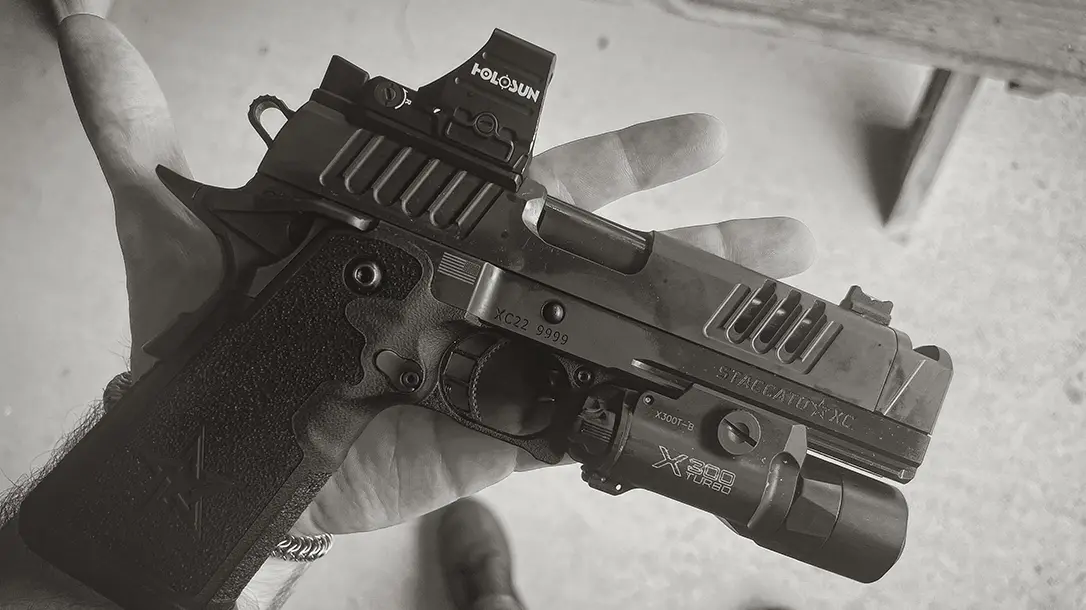
During the past few weeks I have seen red dot sights improperly mounted and adjusted and even a metal plate bent by improper attachment.
It is possible to damage the sight itself. It isn’t unusual to see a handgun in the used rack with a beat up optic or an optic that has never been cleaned. That’s just no way to treat a lifesaving instrument.
Red dots may fail, batteries go dead- that’s why we have backup sights. But then one of the trainers I respect most tells me students are better off without back up sights on their guns. They tend to waste time moving to the backup first then trying to find the red dot sight. It is all a matter of perspective. Red dot sights must be properly understood.
Red dot sights have grown immensely in the past decade. Almost 30 per cent of all new optics sold are red dot types.
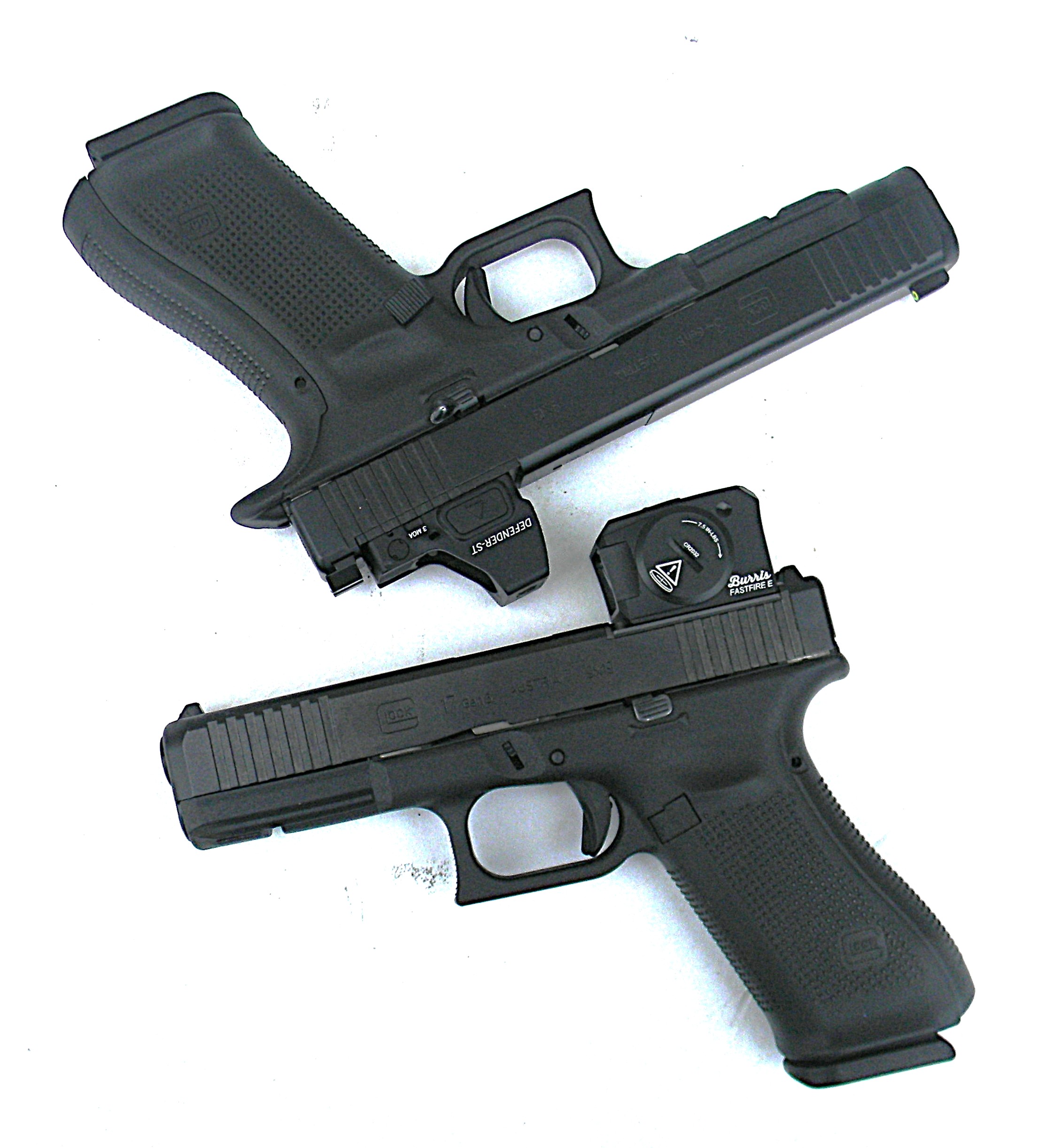
Carry Optics Division is an important part of USPSA competition. More concealed carry shooters than ever are mounting red dot sights on their concealed carry handguns. I won’t tell you the shooter must have a red dot mounted to win a gunfight. But you must have a red dot sight to win a shooting competition. The folks with red dots will win every time! If your training is good there is no means of aiming faster.
When choosing and learning to use a red dot the key word and principle is looking at the whole picture. The handgun, the red dot sight, the mounting system and training all are part of the picture. The landscape of training and personal defense favors the red dot. At one time a number of shooters felt that a laser sight was a short cut to marksmanship. Nothing could be further from the truth.
I had several shooters go through my class with laser sights a few years ago. Most were miserable at qualifications until we deactivated the laser and they used their sights. With the red dot a properly trained shooter is brilliantly fast, faster than with iron sights, but it takes time training and ammunition. The red dot must be mounted properly and properly sighted in. Next comes a training period. If you are not willing to invest in the training period – and the training curve is steeper for some than others- remain with iron sights.
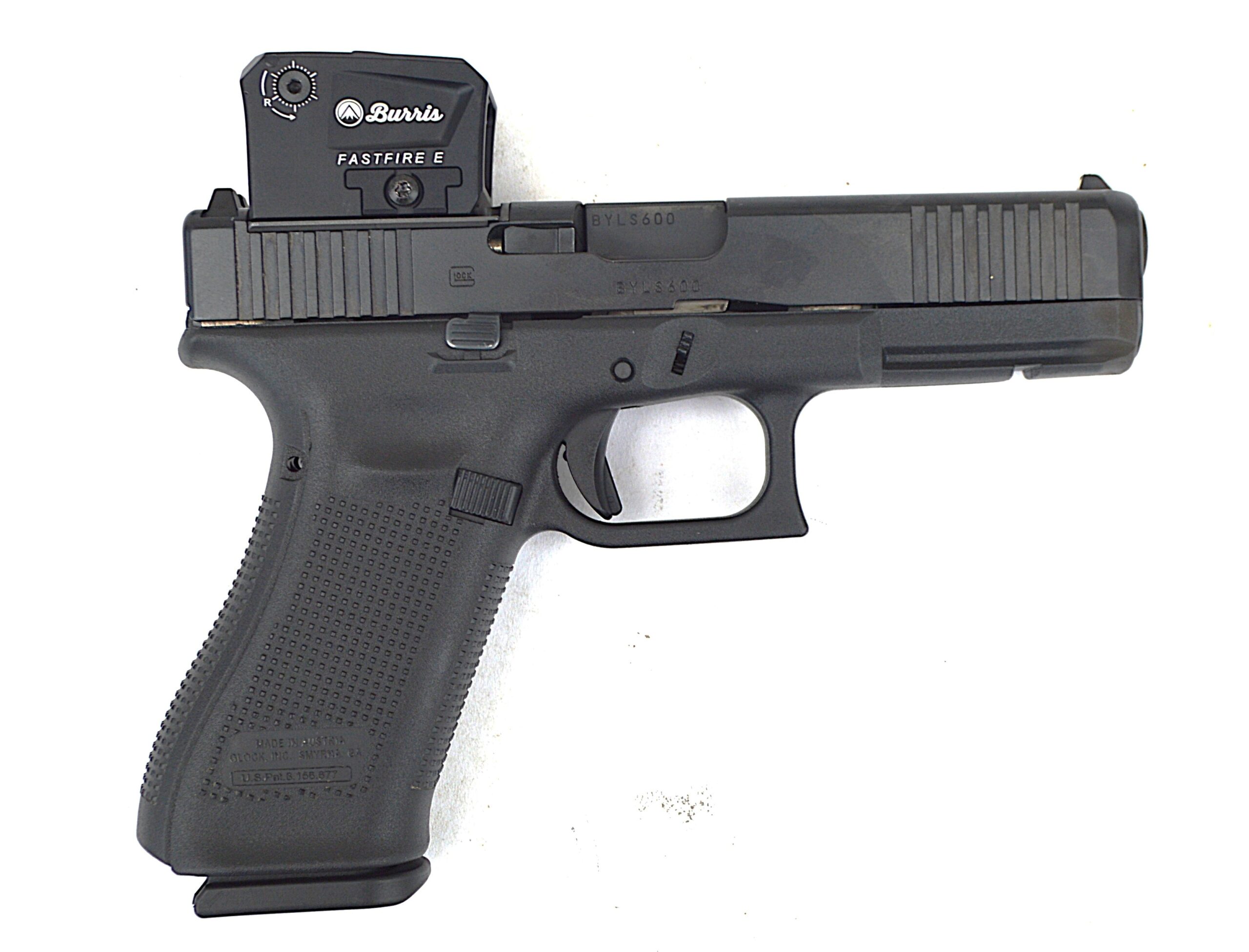
Obtain a quality red dot. Holosun, Burris, Vortex, and Leupold are among the most trusted. Glock pistols come with MOS plates for different footprints. Footprints are simply mounting patterns. I cannot detect an advantage of the RMS or Delta Point over the other, but the ACRO is demanded for Enclosed Emitter red dot sights.
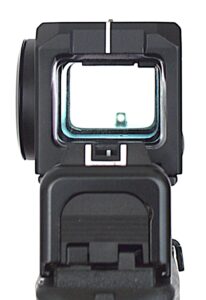
Shooters cannot simply purchase the latest and greatest reflex sight with all the features and light setting, attach it to the pistol, and then fire a few shots and deem it good. The outlook must change. We no longer struggle to line up the front sight on a blurred target while the rear sight is dimmed, and we no longer struggle to keep both eyes open. It is both eyes open and the red dot superimposed over the target. The result is a brilliantly fast means of aiming and hitting. I won’t say some get it some don’t because everyone gets it with proper training and indoctrination.
Basics Re-Imagined
If you have mastered the handgun to the best of your ability you are well prepared to move to the red dot sight. The key is dry fire practice. Triple check the chamber and leave the magazine in another room.
Practice dry fire on a finite spot on the wall. Bring the pistol up to the eyes, not the eyes to the pistol. Bring the slide up and aligned with the tip of the nose. The wrist must slightly cock the wrist down and bring the dot to the eye. The dot is superimposed on the target. Press the trigger and you have a hit. That is the simple explanation but all it takes to get some folks up and running. The point is that you are entering into new territory. The height of the dot over the rear sight must be accounted for. You will draw and find that rear sight easy enough but you must find the dot. There is some adjustment to this.
Next, practice getting into the firing position from different positions. Behind cover, with one firing hand, and on the move. Step up the game. A cursory attempt at upgrade with a minimum of training will not do the business. It is like keeping a Harley Davidson in the garage you have never ridden just in case you need to get somewhere quickly. Red dots offer a great advantage if you train and practice.
Be certain to use a quality mounting plate. XS sights offers good value in their sight and plate bundles. These are first quality. Be certain to properly install the plates. Line the red dot sight up properly. Be certain the battery compartment is tightened down and be equally certain that you check bolts and screws occasionally. If you fail to do so your sight will be loose. It may even be damaged.
Sight the pistol in and be certain you test the point of impact for point of aim at common shooting distances, 5, 7, and 10 yards. Keep your practice up!
Red Dot Selection
Open emitter red dot sights are good choices for most uses.
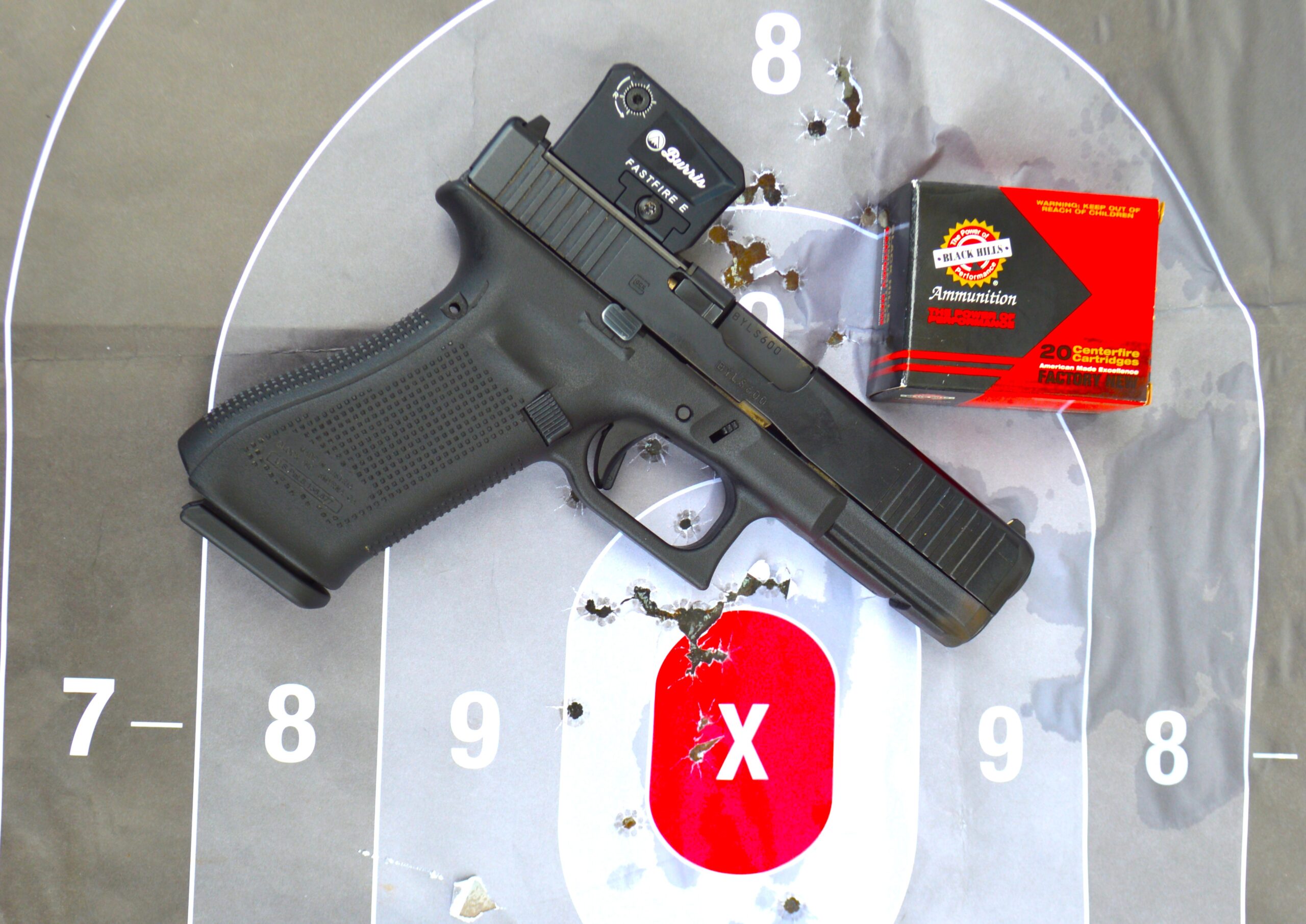
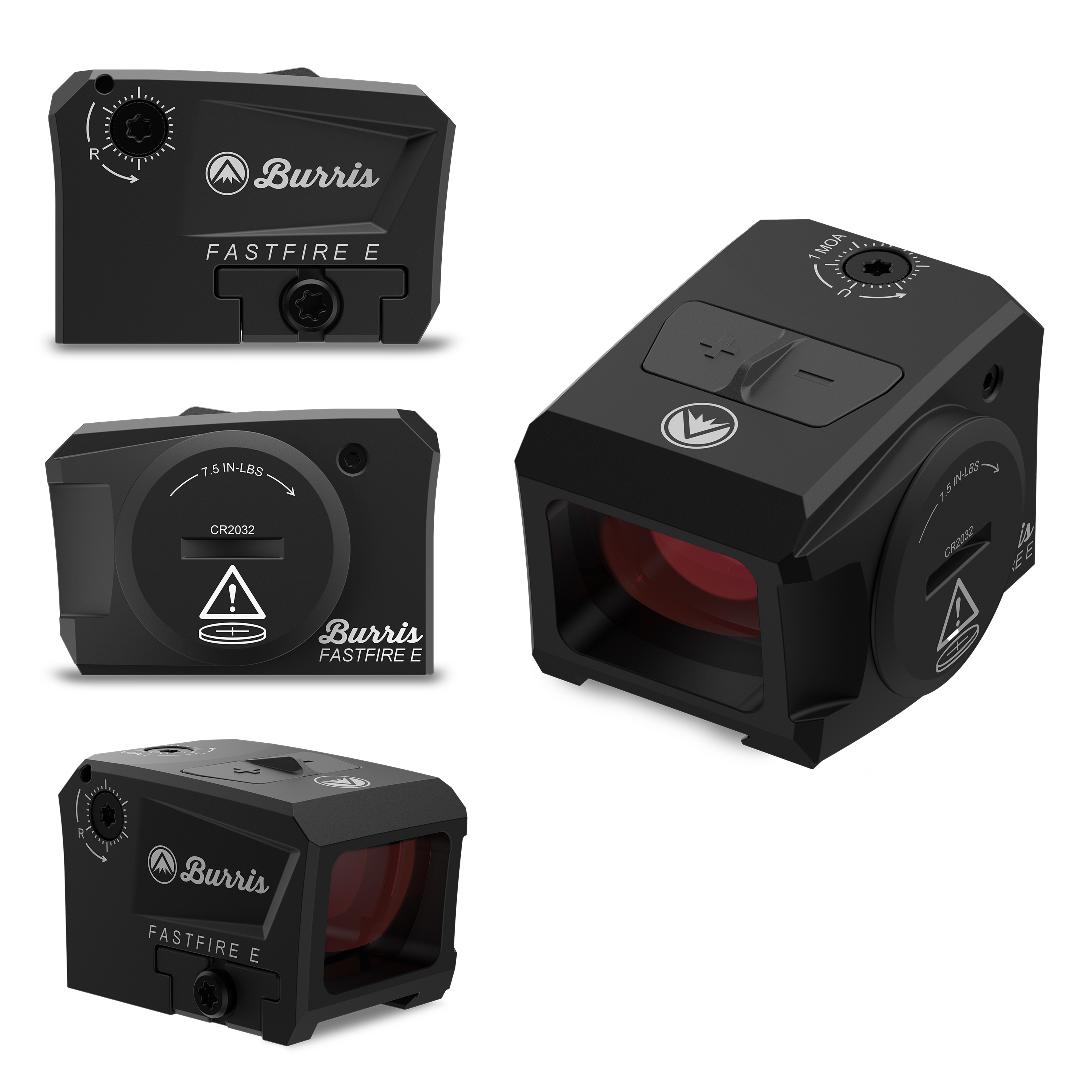
A new type of red dot sight is the enclosed emitter. These sights feature an enclosed body of forged aluminum. The Burris Fastfire E has proven to be a good choice for personal defense use. The Fastfire is waterproof and shockproof tested. Battery technology is amazing! The “always on” feature is made possible by the three volt CR2032 battery with 60,000-hour life. (In government testing this claim has proven true—save if you leave a red dot on its highest brightness setting—you may cut the life in half. Change the battery once a year and relax.)
This instrument features eight brightness settings and is night vision compatible. The slide window is a nicely sized 22x17mm, and the battery compartment is on the side of the sight, out of the way. The footprint is the relatively new ACRO. This is a solid foundation.
I have fired the Burris/Glock combination extensively. The Glock 17 mitigates malfunction fears and performs well. The combination gives a trained shooter an edge. The pistol may be carried all week and then fired on a match the weekend.
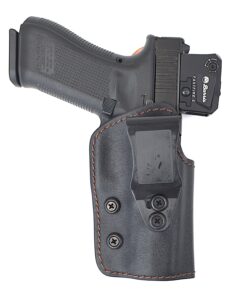
Carrying the pistol isn’t difficult. Choose a good holster with a balance of speed and retention. I chose the JM4 Tactical Preacher AIWB/IWB. The shell is made of Bolatron lined in steerhide. JM4’s lining is nicely stitched. The holster features a good level of draw angle adjustment. The holster is quite if that matters and offers a good balance of speed and retention. A sweat guard and retention adjustment are good features. The belt clip rides low and is offset for a good draw angle.