By Dave Workman
Editor-in-Chief
Truth be told, I’ve had a serious fascination with revolvers since my childhood, which was a very long time ago.
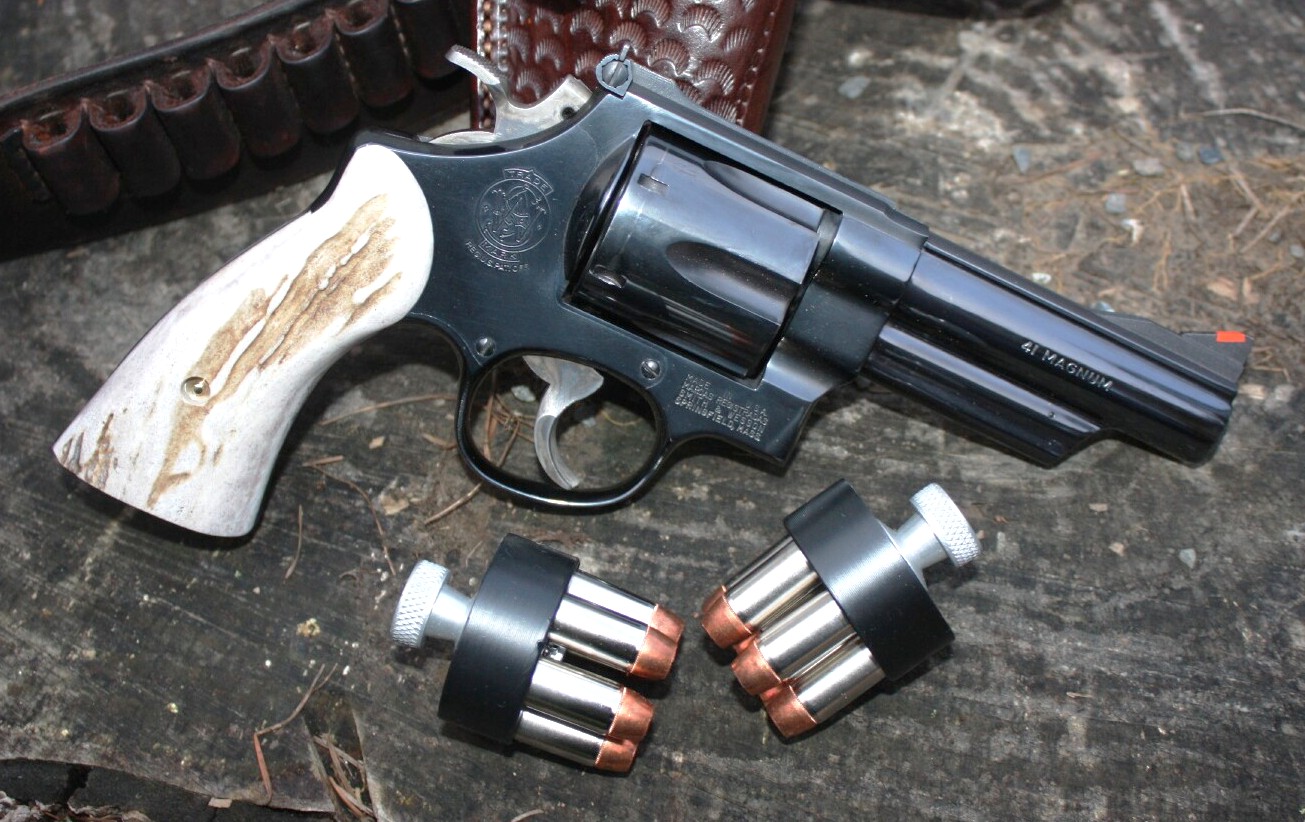
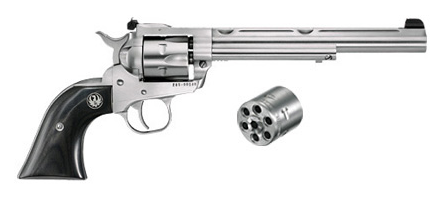
I have carried them for decades, shot small and big game with wheelguns, competed with revolvers both close up and at long range, and I’ve never tired of the platform. Give me a Colt, Smith & Wesson, Ruger, Dan Wesson, Charter Arms, Taurus; they all have something to contribute, and that goes even for the mini-revolvers from North American Arms.
In an emergency, a revolver can be the best friend you’ve got, provided nobody expects a handgun to perform miracles. Then, again, a “miracle” just might be determined by how one defines miracle.
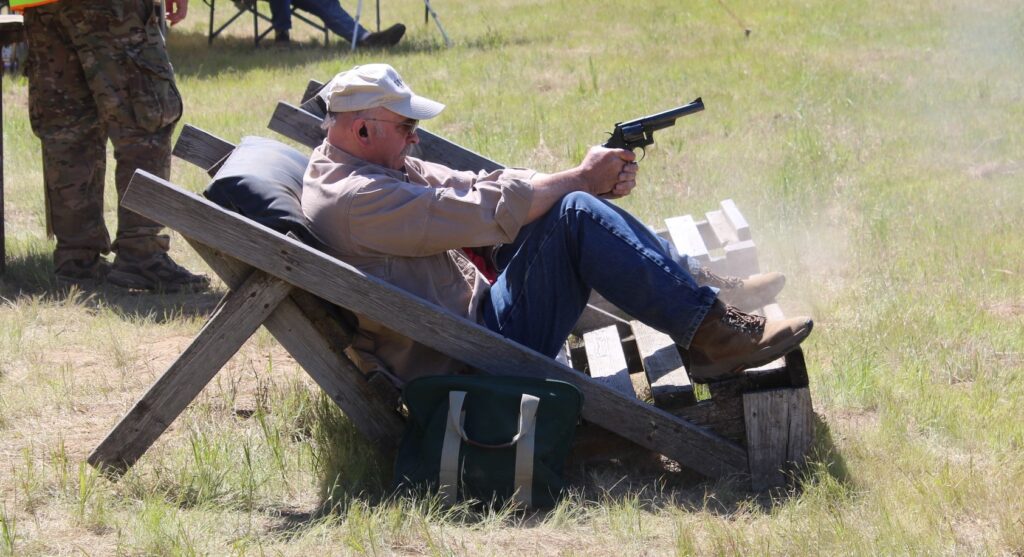
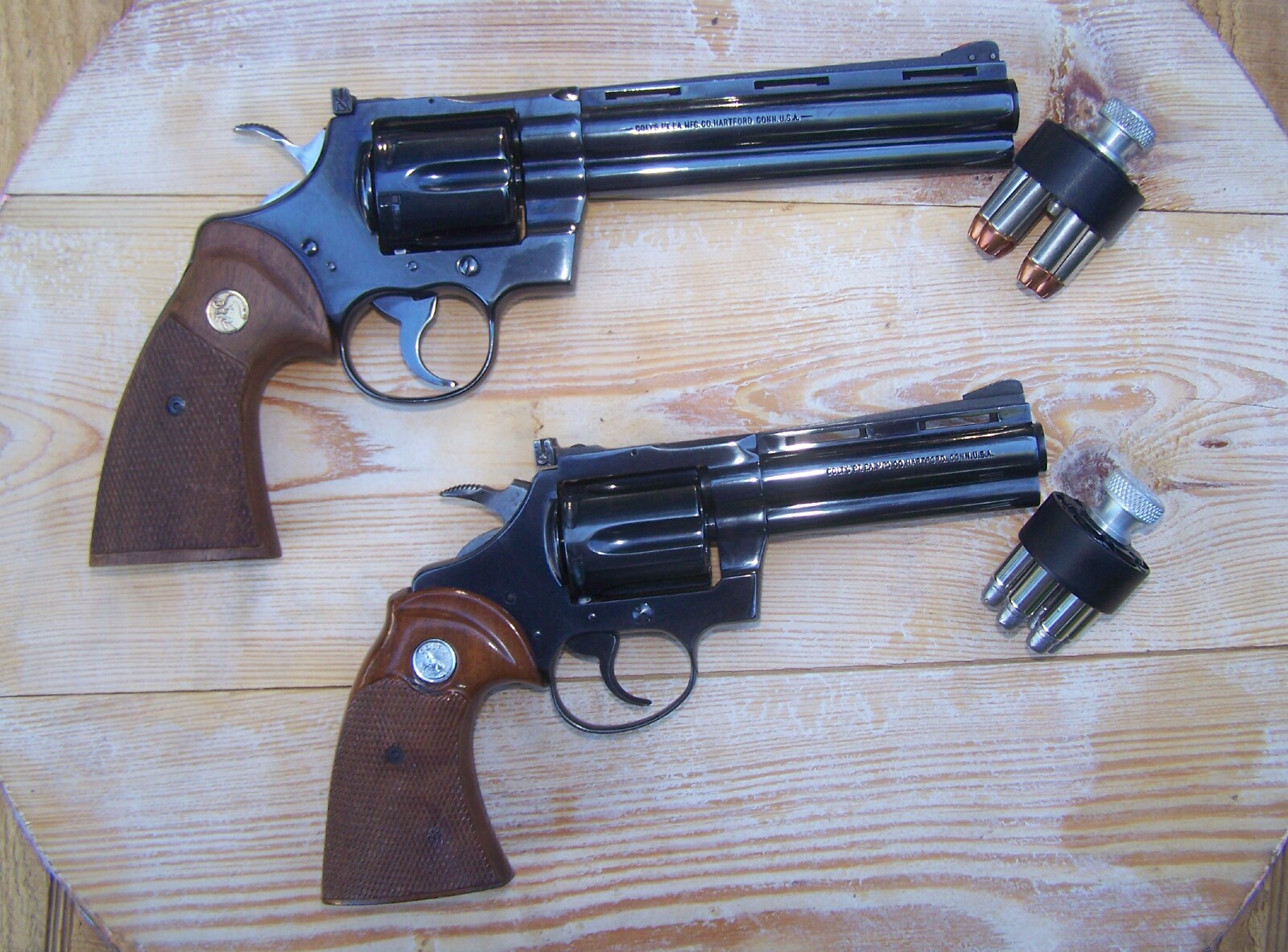
I once put six rounds downrange with a Colt Python shooting 125-grain JHPs launched by a stout dose of Hercules 2400, hitting a man-sized target at 200 yards, in front of witnesses. It was off a sandbag rest, but those six .357 Magnums all delivered a flat “clink” confirming each impact.
I’ve watched pals such as Ace Fernandez and Guy Maakad whack steel targets out to several hundred yards with .44 and.41 magnums, respectively, during long range handgun shoots. On one occasion, I even walked shots out to a target nearly 600 yards away out of a .41 Magnum, and there are a lot of silhouette shooters whose handgun marksmanship is simply awe-inspiring.
Pals of mine have taken deer and elk with revolvers (I’ve put three in the cooler), and other big game as well, including black and grizzly bears.
Wheelguns are, for lack of a better term, utility guns.
As I lurch toward retirement, I’ve been thinking about an everyday carry gun, and the choice has been reduced to either a .357 Magnum or .41 Magnum, both calibers which I reload—so I an guaranteed plenty of practice—and with familiar capabilities. Both calibers are proven fight-stoppers, and should I ever get more adventurous, I might just pack a .45 Colt single action for the sake of variety.
This brings us around to a lesson for today. Never underestimate a revolver, but never over-estimate its capabilities, either.
I’ve seen too many people abuse their expensive sixguns by brewing up handloads which don’t simply stray across the boundary of good sense, they abuse the notion of maximum loads. There is no fun in blowing up a handgun. You lose an expensive piece of equipment, and you might also lose the use of your hand in the process!
There’s no fallback excuse about not having read the “fine print” in a loading manual. Every reloading manual I own, or have ever read, says so in nice bold lettering “Do Not Exceed Maximum Loads.” I don’t know about anyone else’s reading comprehension, but I’ve always understood that warning to mean exactly what it says.
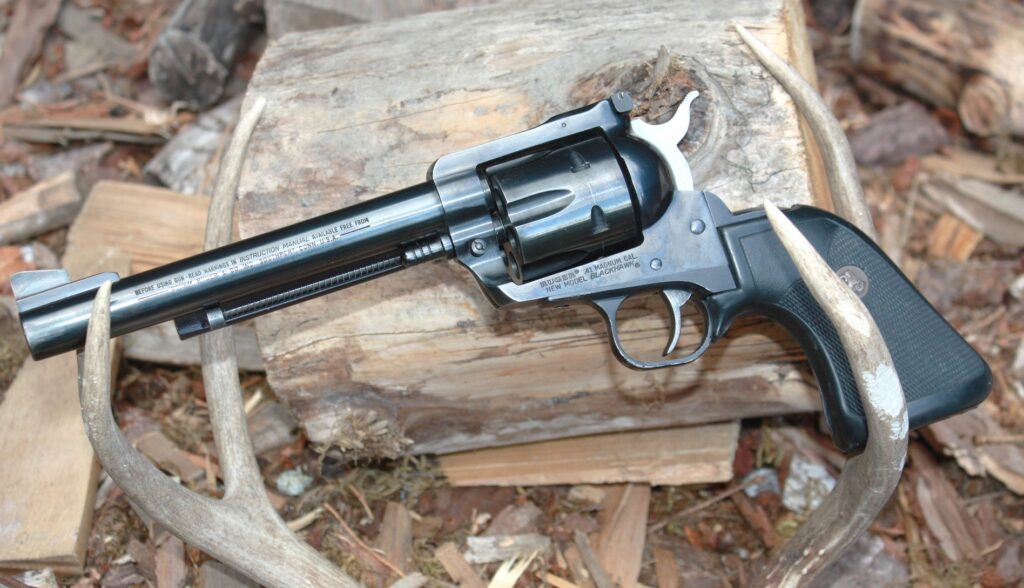
Back on the plus side of things, revolvers can deliver accuracy out to well beyond 100 yards. I’ve seen it and done it, so insisting it can’t be possible is a non-starter.
My best shot on a grouse with a pistol was with a .22-caliber Ruger semi-auto, somewhere around 30 yards if I recall correctly, but using different .22-caliber revolvers, in my youth I was able to knock raccoons out of trees maybe 60 feet up, or slightly higher.
Two of the three mule deer bucks I dispatched with two different .41 Magnum revolvers were moving at the time, yet both wheelguns delivered the goods. Suffice to say, with proper attention to practice, anyone determined to shoot accurately with a revolver can reach that goal.
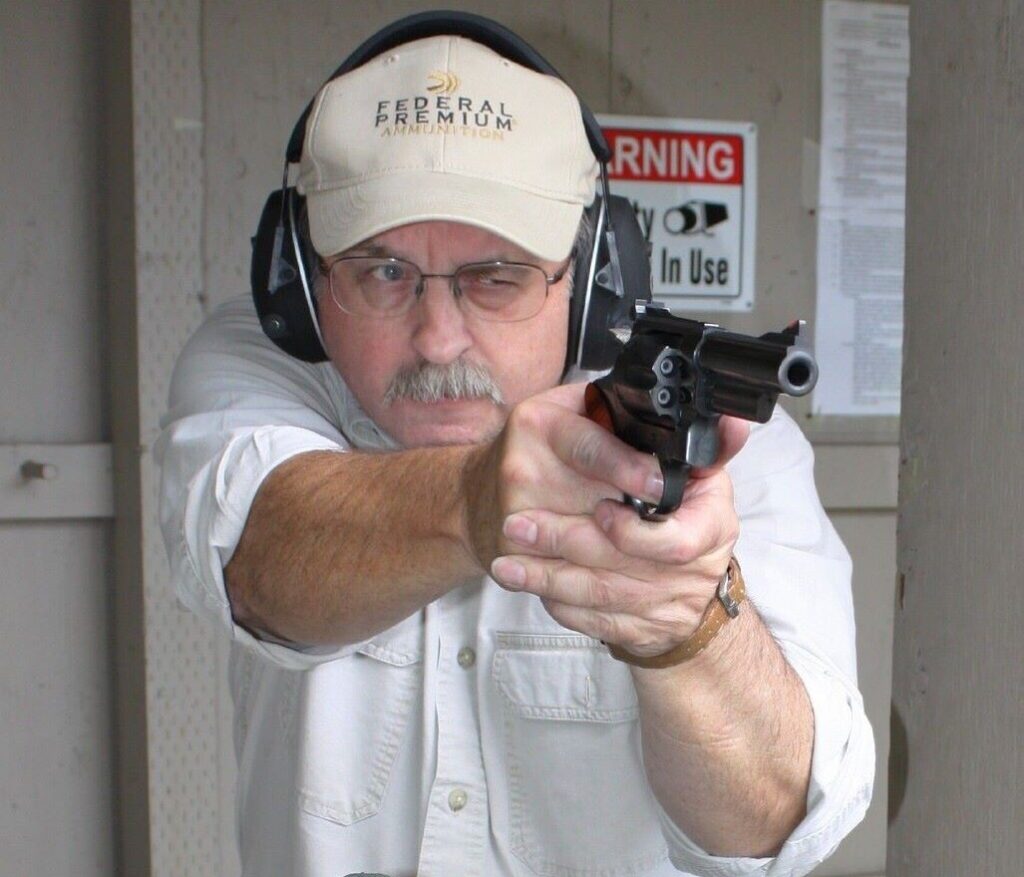
But it does take practice.
Start by shooting close, say 10-15 yards. As your groups tighten, move the target back to 25 and then 50 yards and repeat. Don’t just shoot round after round to make noise. Carefully aim each shot, take your time; speed will come with repetition, and accuracy will improve.
With a handgun fitted with adjustable sights, study impact points and adjust your sight accordingly. Zeroing a fixed-sight revolver takes a little more patience, but eventually it can be done.
A good large-caliber handgun is not just a short range tool. Find a canyon somewhere, pick out a stump and fire a few shots to see where dust is raised. You will see what I mean.
Lastly, don’t expect too much first time at bat, so to speak. Wheelgun marksmanship and dexterity take time. Don’t cut corners. Don’t be impatient.
And one thing more: Always remember that a bullet which misses the target is going to hit something else, so be careful always.