By Dave Workman
Editor-in-Chief
“Whatever else you’re doing when you press the trigger, you’re making a cold bore shot. Why that escapes some people is a mystery.”
The comment was mine in the midst of a social media chat with a couple of writer pals, Mike Dickerson of Texas—whose article on checking the zero of a hunting rifle with only three shots ignited the conversation—and Kevin Steel of California, who concurred one doesn’t have to fire off a full box of ammunition to make sure you can put a bullet into the vitals of a game animal out to 300 yards.
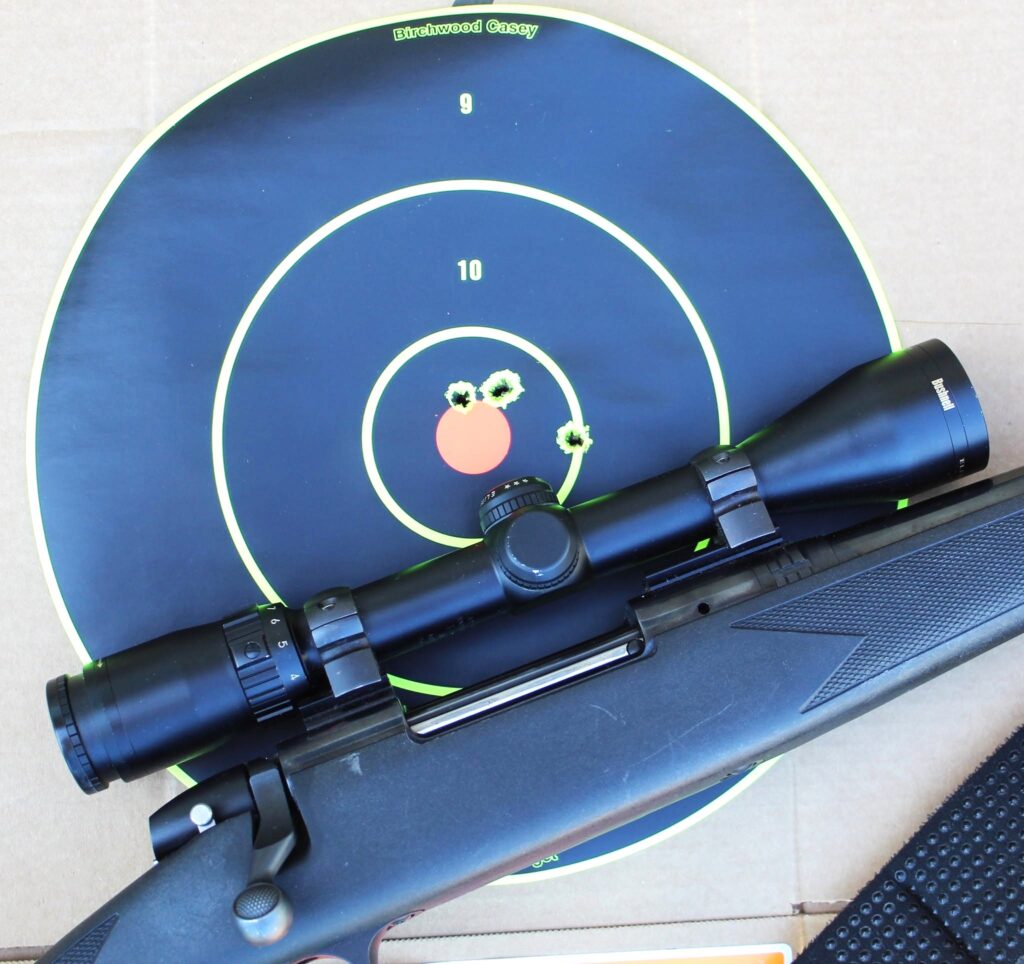
The formula which we all seemed to essentially agree upon is pretty simple. If you can put three rounds within an inch or 1 ½ inches of one another at 100 yards, and if you click up enough to raise the point of impact to about 2-3 inches at the hundred-yard mark, you should be able to punch an 8-inch plate at 200-300 yards, which will pretty much cinch a notched tag.
I’ve done this many times in the past. I zeroed my brother’s .308-caliber Ruger bolt-action rifle one year using my handloads, which push a 165-grain boattail propelled by a dose of IMR 4895. Once I had it punching holes in the 10-ring at 10 yards, I added eight clicks (if I recall correctly), fired one shot at the 100 yard target to confirm, and then settled the crosshairs on an orange clay disk on the 200-yard berm. At the shot, it disappeared.
Earlier this year, I did the same thing while shooting a single-shot Harrington and Richardson on which I’d mounted a new scope. I was using 150-grain factory loads to empty the brass for reloading, and I had the gun zeroed with five rounds. I set the rifle aside with the break-action open, and as soon as the barrel felt cold, I cranked up the elevation, leveled on another clay disk and fired. The disk evaporated.
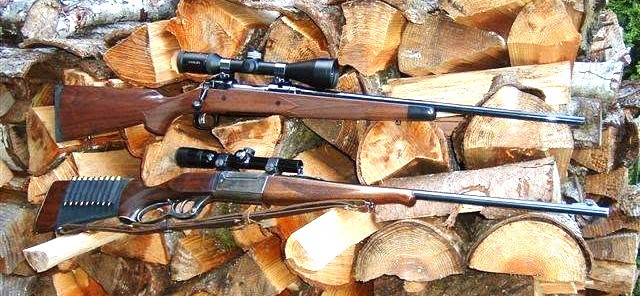
As you read this, I’m probably at the range checking zero on at least four rifles, maybe five if I’m feeling ambitious, in calibers ranging from .257 Roberts to .30-06 Springfield, using personal handloads.
Every buck I’ve taken since 2003 has fallen to a handload, and a fair amount of time at the range and loading bench preceded each shot in the field.
Steele noted how the true test of a rifle’s zero would be a “group produced by three shots taken over three consecutive days with a cold barrel.”
I’ve done that once or twice, and never regretted it.
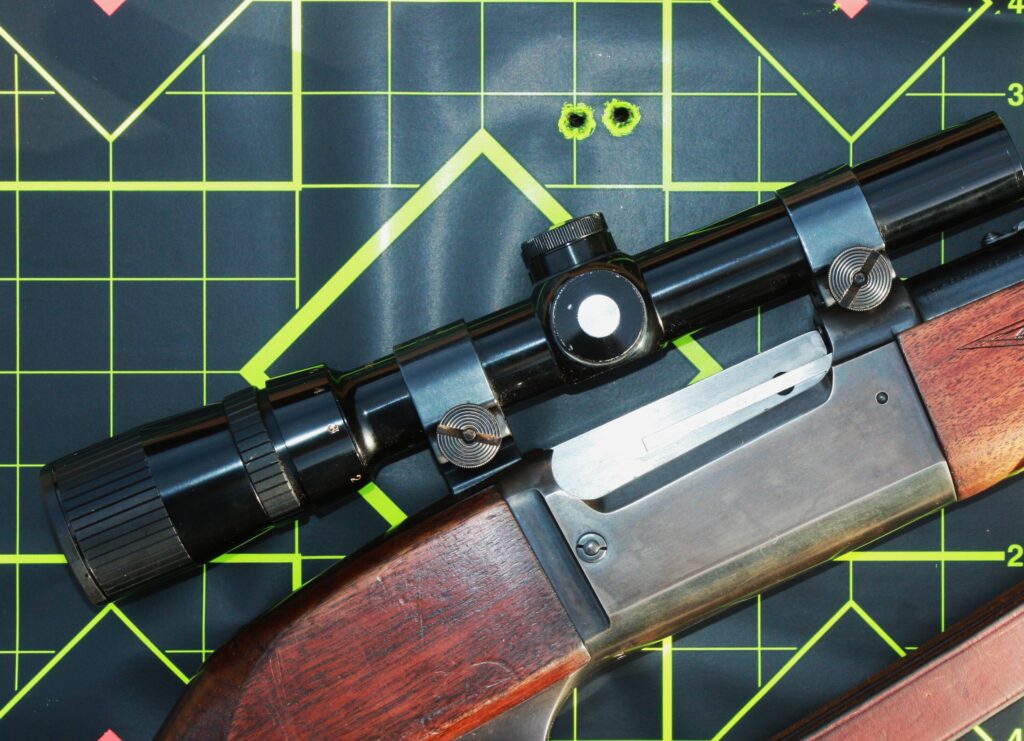
Once I get a rifle wired in to punch small groups at 100 yards, I simply crank up the elevation eight or ten clicks (one click equaling a quarter-inch shift of impact at 100 yards) and then fire another group for effect, again taking care the shots are fired through a cold barrel.
It is guaranteed on opening day this fall the temperature will be a lot colder than it is right now in mid-August, and when I say “cold bore,” that is exactly what you’ll have!
My personal challenge this coming October will be to locate where the deer herds have moved. As anyone watching the evening news has observed, the Northwest has been hammered by forest fires, including a couple which were allegedly the work of an arsonist.
When their homes are burning, deer and elk herds, bears and anything else capable of beating feet in a hurry will be rushing to stay ahead of the flames. When the fires are extinguished, one might find deer hanging around the edges of those burns, or not too far away depending upon the availability of feed, water and cover. I have shot deer which were moved out of an area by fire, so this is not just conjecture.
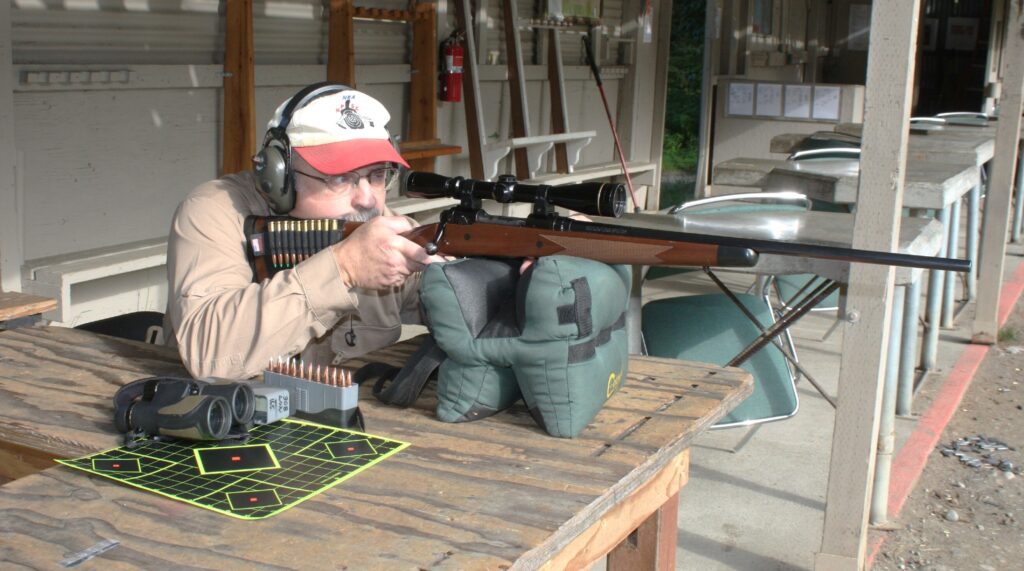
Because I’ll be working with more than one rifle, I’ve got the luxury of firing a couple of shots for group, setting one rifle aside on the rack, action open, to allow the barrel to cool, and turn my attention to a different rifle.
If you don’t reload your own ammunition, always zero your rifle with the same ammunition you’ll be using on the hunt; that is, the cartridges come out of the same box. They will have the same propellant, and same bullet weight, and theoretically they will all go where you’re aiming.
And here’s an important step: If you travel to another state, or even across the state, be sure to check the zero on your rifle once you arrive. I’ve done this after flying or driving to hunts in three different states. It has always paid off.
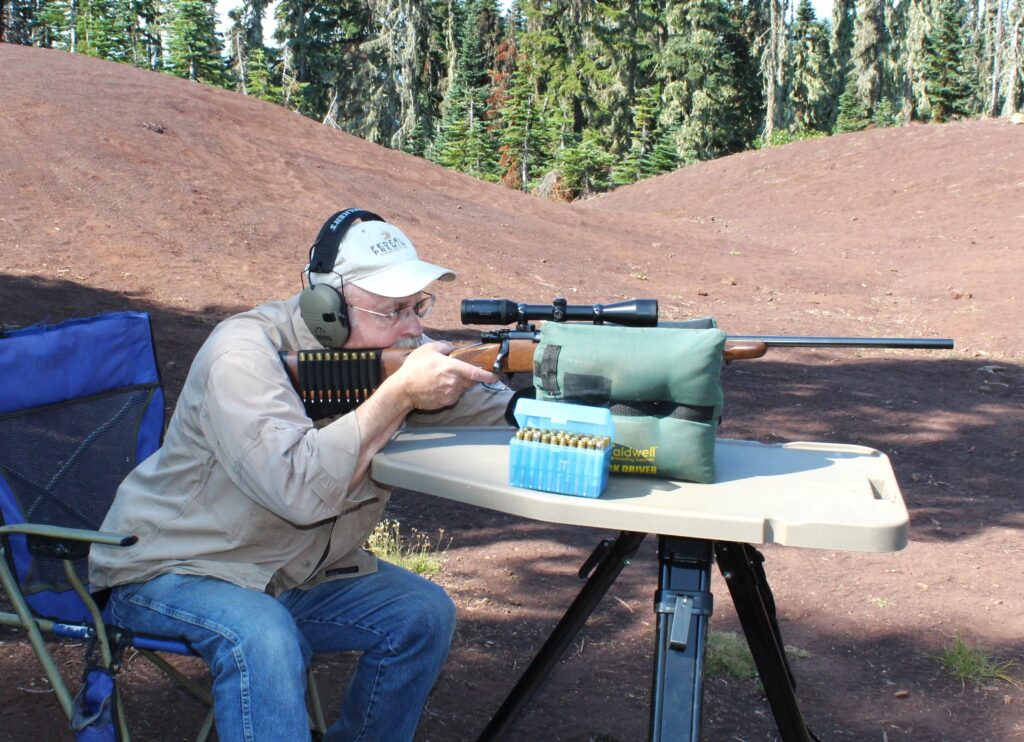
I never run more than three rounds in a string before cracking open the action and allowing the barrel to cool. Hot barrels give off a heat signature and over time, your accuracy will suffer.
Use the time remaining this summer—the mild evenings with their lingering daylight—to put your rifle in minute-of-angle (MOA) fighting shape. (MOA being the ability to put your group within an inch at 100 yards). The payoff for this work could come in October or November, or maybe even December, with a freezer full of venison and a memory to share for many seasons to come.