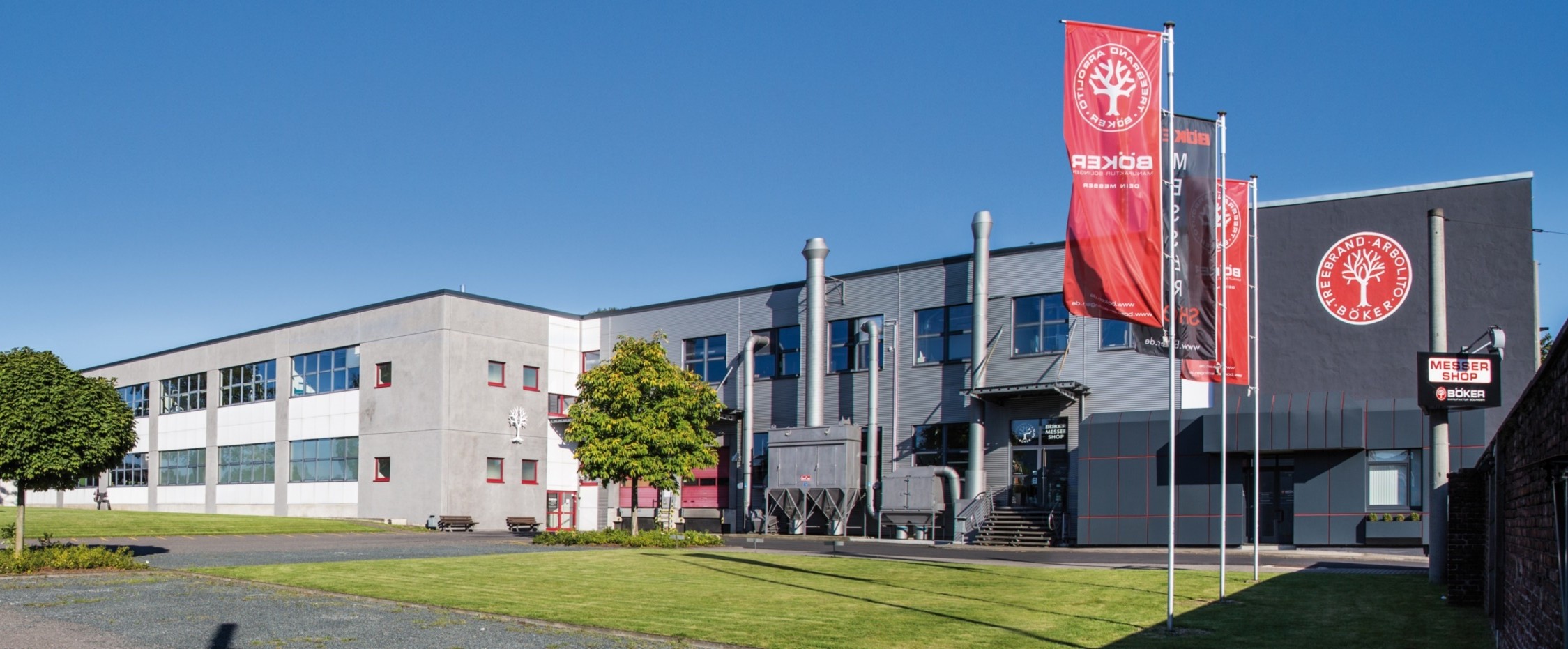
By Jim Dickson | Contributing Writer
Since 1890 Boker Tree Brand Knives have been one of the most popular knife brands in America.
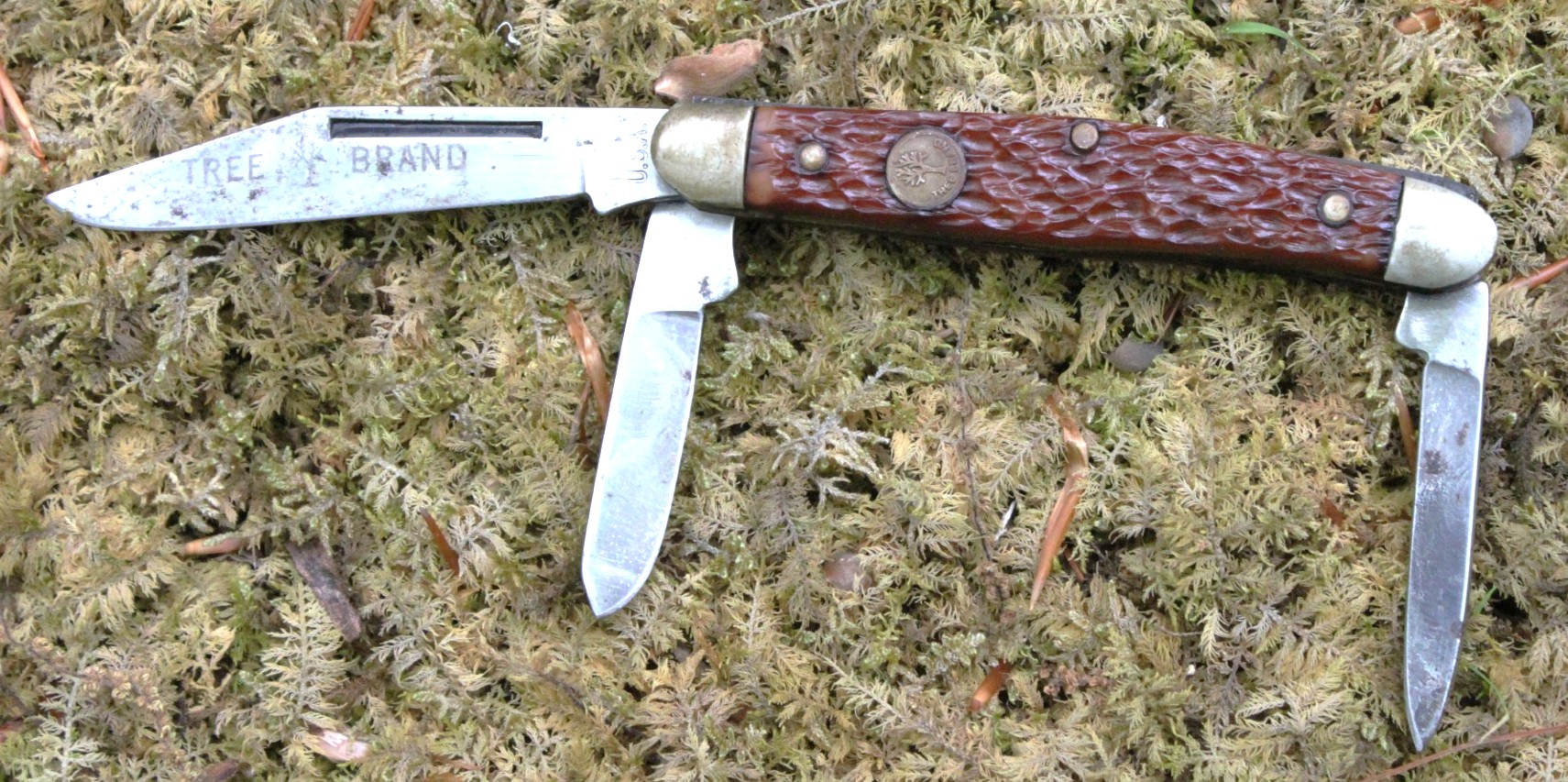
My late father always carried a Boker medium stockman pocketknife and firmly believed that the Boker Tree Brand was the best. His were all 1095 high carbon tool steel knives with a hardness of 58-59 on the Rockwell C Scale, the same steel the U.S. Military specifies for its knives and machetes.
Some years ago, the company moved on to 4116 steel and finally to the D2 steel used in them today.
One important feature of the medium stockman is its overall length of 3¼ inches, which is perfect for pocket carry. Any smaller and it is not up to all the jobs expected of it and any larger, it doesn’t carry without you noticing it in the pocket. The 3-bladed stockman has been one of the most popular designs since it first appeared in the 1880s.
The firm’s history began in Remscheid, Germany in the 17th Century where the Boker family had a small tool factory overshadowed by a huge European chestnut tree. That tree became the crest of the Boker Tree Brand first registered in 1674. The huge chestnut lived until 1925 when lightning struck it. Due to their high quality, Boker became one of Germany’s leading tool makers.
In 1829, Boker began making sabers and by 1830 they were making 2,000 a week.
Forty years later, in 1869, Heinrich Boker moved to the famous cutlery making town of Solingen, where he started what would become today’s Boker.
Coming to America
The American branch of the family ran Boker U.S.A and imported sufficient numbers of knives that by 1890, Boker was one of the most popular brands in America due to their high quality. Many customers would have no other make of knife from then on. After WWII, Boker U.S.A. placed large orders with Boker in Solingen helping them recover from the destruction of their facilities by British bombing.
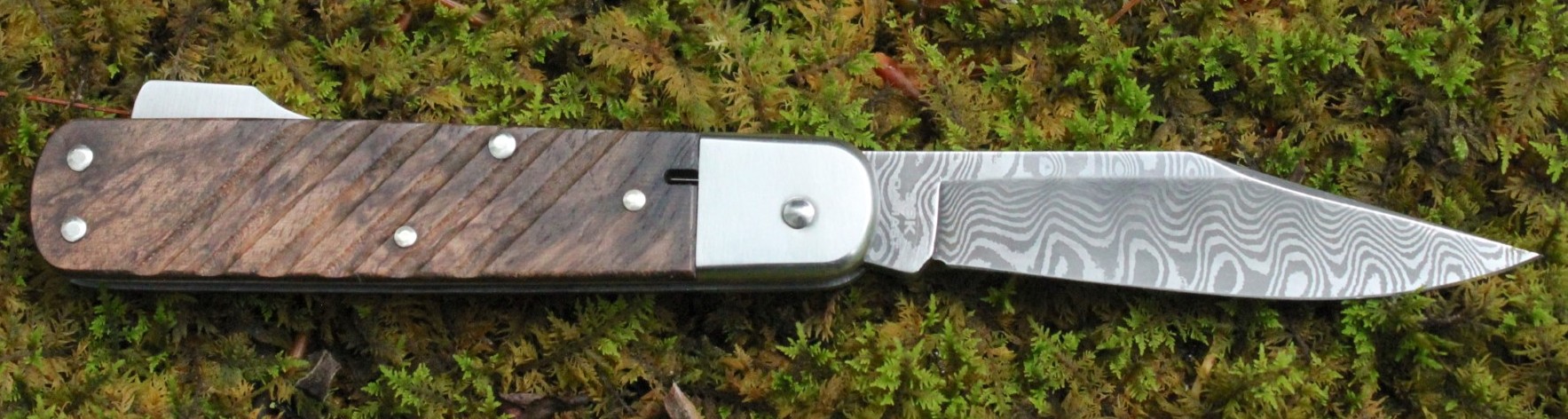
In 1980, Boker and master blacksmith Manfred Sachse produced the first Damascus steel pocket knives ever made in series production. Boker continues to produce Damascus steel knives in different styles.
Today Boker is the oldest pocketknife maker in the world and their dedication to quality continues unabated. In an era when most knife companies are obsessed with having the cheapest knife to produce to the point that I have even seen investment cast blades (this makes an extremely weak blade but it’s cheap to make), Boker still makes some of their knives from forgings. This greatly improves the strength and edge holding ability of the steel. The effect is so great that the government will condemn any bridge or airplane found not to use forgings where forgings are specified. Forging also aligns the grain flow in the steel with the contours of the forging as shown in the photograph.
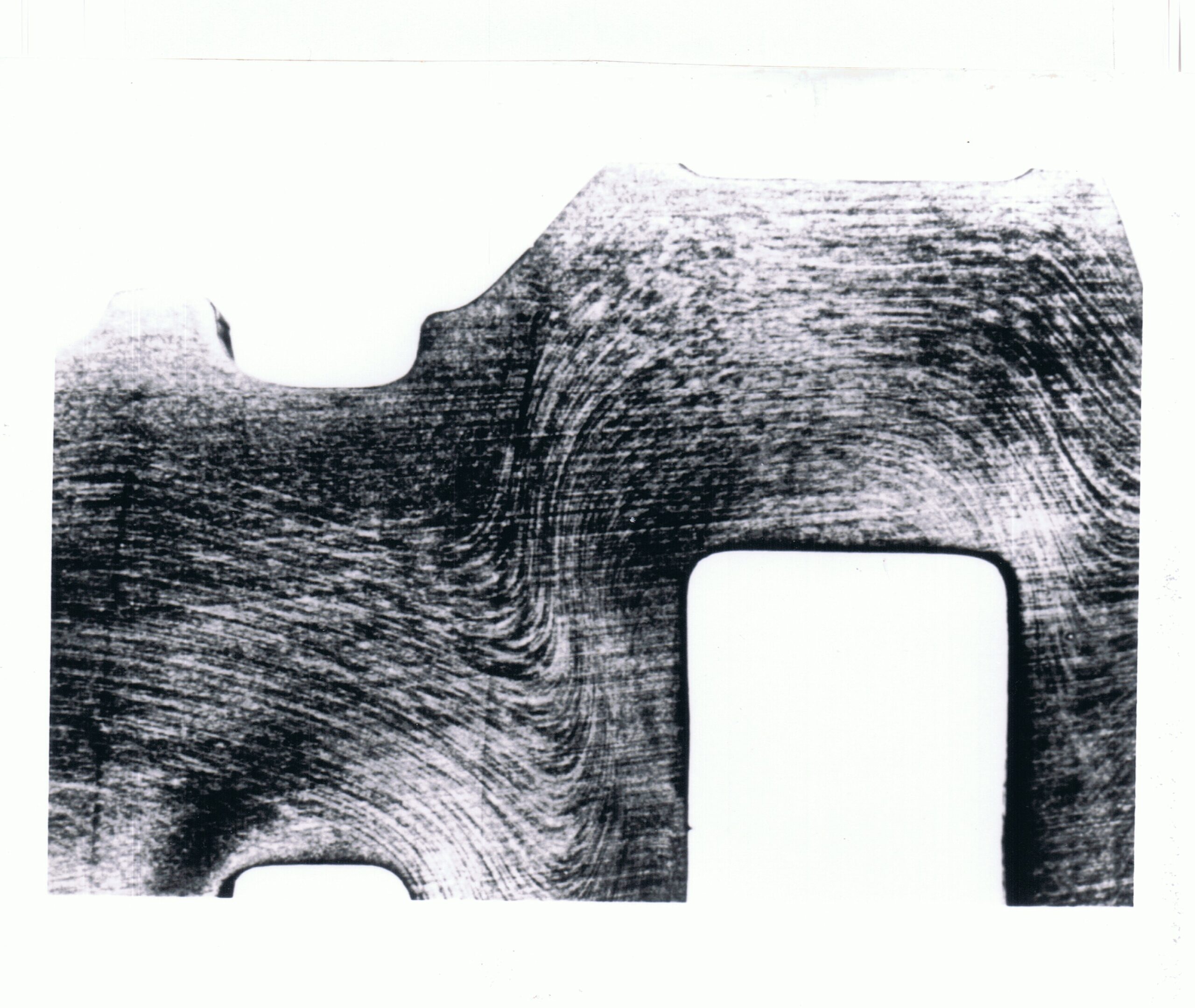
Yes, modern steel does have a grain that shows up under metallographic polishing and etching.
Review Models
I had several Boker knives to review. The first is the Grabendolch, which translates to trench dagger. This is a German classic design first commissioned in 1915 by the German Ministry of War order 2067 3 13 A2.
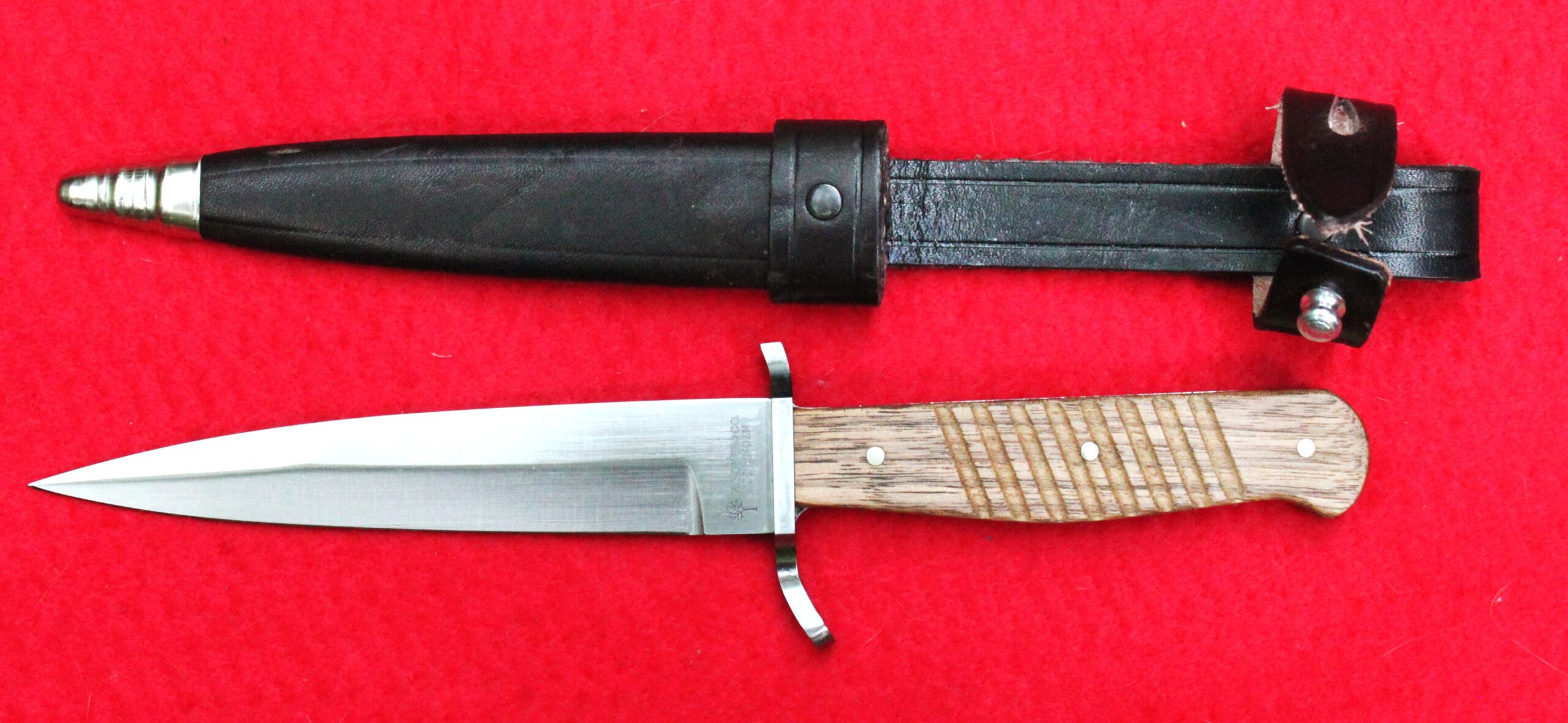
Fighting in the tight confines of the trenches made a small knife advantageous. The knife had a very sharp point to penetrate the heavy wool clothing worn by both sides in the bitter wet and cold of winter on the Western and Eastern Fronts. Blade length is 5.67 inches and the width is 50MM or 1.18 inches. Blade thickness is 3.5MM or .137 inches. Some of the early ones were double edged but most of the later ones were single edged with a false edge on the top that was often sharpened though the current Boker version’s false edge is not.. The 4½-inch handle is walnut with nine slanted grooves to provide a better grip. Weight is a trifling 5.8 ounces.
The knife was so successful at the grappling ranges it was used at that production was continued in WWII. Boker is simply continuing production of this classic with serial numbers starting where they left off at the end of WWII. These are current production, not replicas.
These Trench Daggers were made by numerous firms besides Boker such as Ernst Butsch, Gottleilb Hammesfahr, Union Zella, Leopold of Geffrees, and others throughout Germany. Due to wartime secrecy the makers were identified by codes instead of by name.
There were minor variations between makers but the blade length usually was between 130MM and 140MM or 5.1inches to 5.5 inches. Collectors often assign names to the variations such as Prussian model and Bavarian model. The Germans also had different names for them when they came out such as Nahkampfdolch (close combat knife), Dolchmesser (dagger knife), and Dolchartige messer (dagger shaped knife).
This is not just a fighting knife, for many were repurposed as hunting knives in peacetime where they worked quite well. After all, they were simply modifications of a traditional German hunting knife.
A narrow blade makes the fine cuts when dressing out a deer much better than a wide blade and that sharp point is capable of some very fine precise cuts.
As for skinning, I skin “Indian-style” using my fingers to separate the hide from the carcass, only using the knife when I hit a tough spot where the hide doesn’t want to let go. A straight blade works just as well as a curved blade for me.
If you want a small, light, 5.67 inch blade hunting knife you can’t do better than this one. It is made of tough C75 steel at a Rockwell hardness of 57- 58 on the C scale. Its composition is .8-.9% Carbon, Silicon .35%, Manganese .5%, Phosphorous .03%, Sulfur .03%, Chromium .2%, Nickel .25%, and copper .3%. This is an extremely tough carbon steel that holds an excellent edge.
Fit and finish on the sample knife reviewed was totally flawless and the knife did everything normally required of a 5.67” blade knife. The scabbard is a traditionally German hunting knife design of a leather scabbard stitched along the backside with a metal chape at the bottom and a reinforcing leather collar at the top which also anchors the belt loop and the safety strap. The knife and scabbard weigh a trifling 6 ounces.
American Trench Model
Boker also makes the American M3 Trench knife and the M3 never looked this good before.
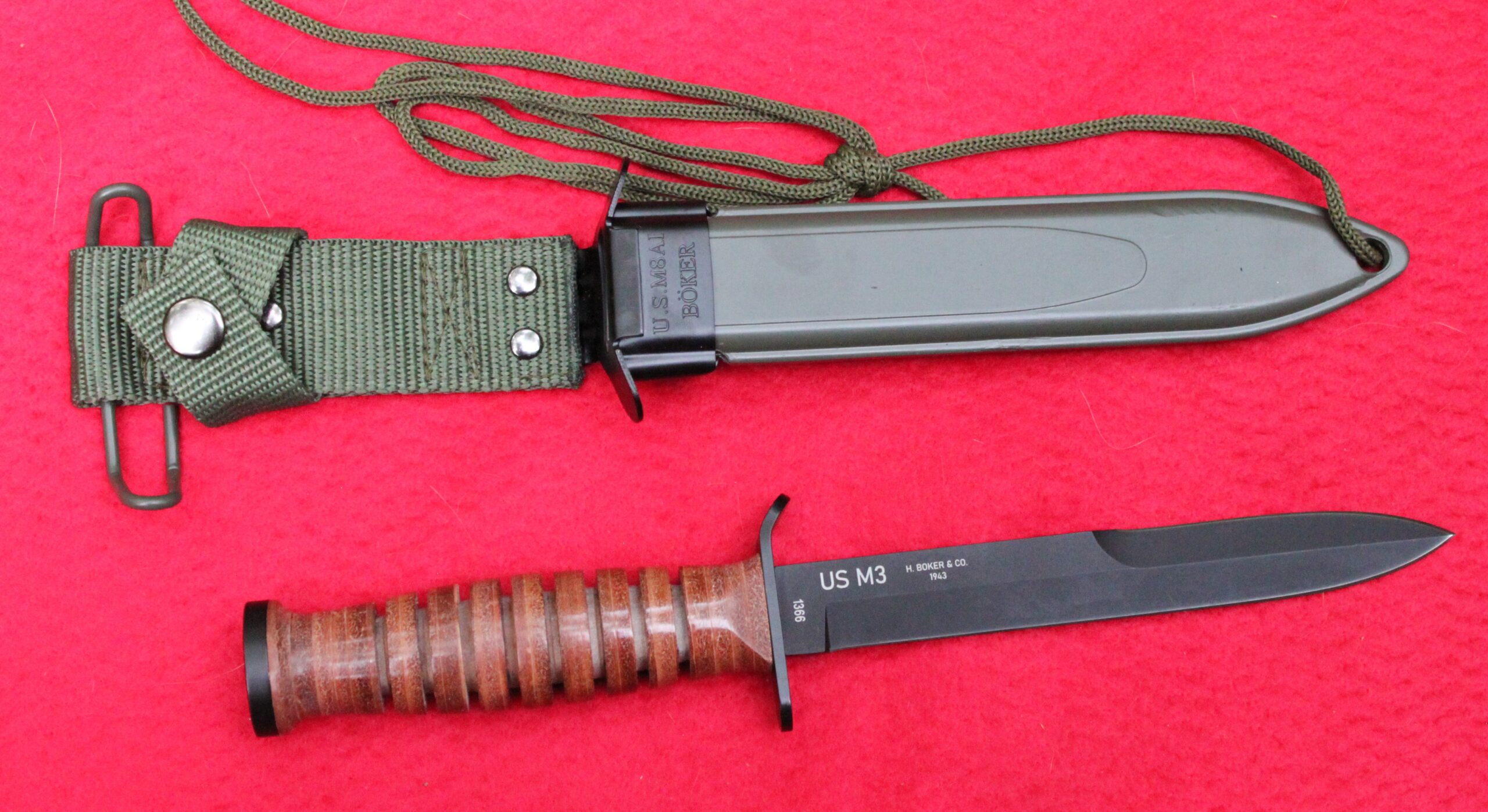
While the Marine Corps used the Ka-Bar in WWII, the Army went for a more effective design, the M3. It had a 6 ¾-inch blade but it was only 7/8-inch wide and a proper double-edged knife for the first half of the blade. This made it a better thruster which was easier to drive through a rib cage than the wider Ka-Bar and it was so rugged that it officially replaced the British Commando Dagger in U.S. Army as the British Commando Dagger had a nasty habit of breaking it’s point off on ribs.
This was so common that OSS personnel in the China-Burma Theater of Operations took to breaking the point off their British Commando Daggers and repointing them with a stouter point.
The M3 proved so stout that it was fitted with a bayonet handle and became the bayonet for the M1 carbine, followed by other handles which made it the issue bayonet for the M1 Garand, the M14, the M16, and the M4 carbine. Bayonets take a lot more stress than knives normally do and the M3 blade stood up to it all.
As an all-purpose knife the army never found it lacking. As a hunting knife in civilian life it still out performed the Ka-Bar as it’s narrower blade makes the fine cuts needed in dressing out game better than the wider blade of the Ka-Bar. For a 6 ¾-inch blade hunting knife you won’t do better than the M3. The handle is stacked leather washers for a good grip when wet and the sheath is Tennite, a type of canvas base micarta used in U.S. WWII bayonet scabbards, while the fittings on the scabbard are canvas (Boker substitutes nylon). These are the best knife scabbards ever made. Unfortunately they are a factory only item not practical for custom knifemakers to make one off copies.
The WWII U.S. Army M3 knives had 1095 tool steel blades but Boker uses SK-85 tool steel at a Rockwell hardness of 59-60 on the C Scale of its composition is: Carbon-.8-.9%, Silicon .35%, Manganese .5%, Phosphorous .03%, Sulfer .03%, Chromium .2%, Nickel .25%, Copper .3%.
Barlow Pocketknife
Boker makes a Barlow pocketknife also. This is a very old design characterized by its long bolsters for extra strength, a large main blade for its length, and a second blade of the penknife design, so called because it was originally used for making and sharpening quill pens.
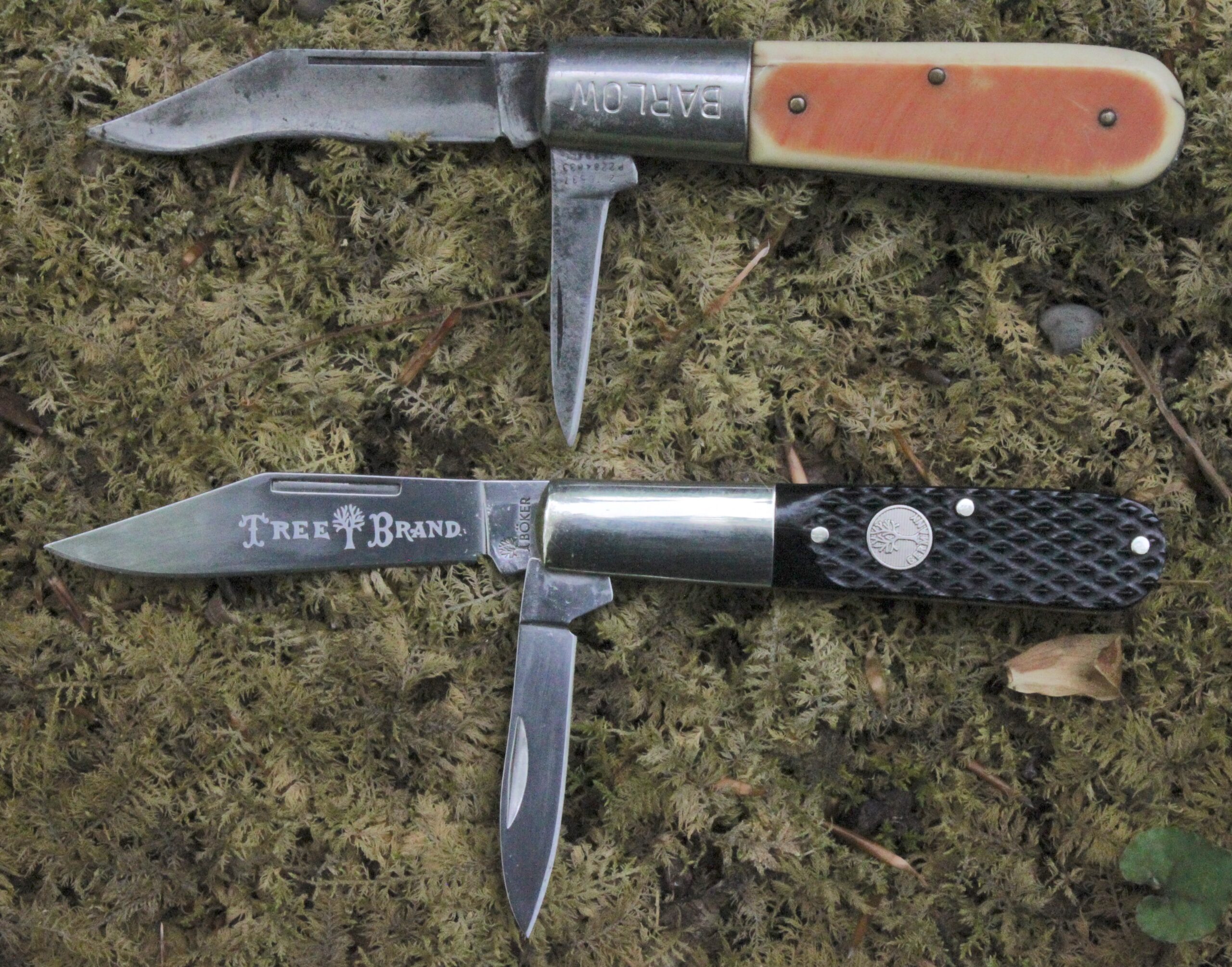
I find the pen knife blade excellent for use in caping game.
George Washington carried a Barlow and it remains a most respected design today. Boker’s Barlow 3 5/16 inches overall closed. It has brass liners, an extra-long solid bolster, and checkered black bone handles. Fit and finish are absolutely flawless. The big blade is 2.68 inches long and .06 inches thick while the weight is just 2.65 ounces. It is slightly slimmer than some other Barlow knives but fits nicely in your pants pocket.
I have a long history of using this type of pocketknife. My first one is shown alongside the Boker. It is over 100 years old now (it was old when I got it) and its original cost when new was 25 cents.. The stamped bolsters have been loose for most of those years, and I wore out both blades badly as can be seen in the photo. Its 1095 steel blade served me well though. Later I bought a new one of the same make for a dollar from a cardboard display of them in a country store. As you can tell from the price, that wasn’t anytime recent.
Boker makes their masterpiece from D2 steel with a Rockwell hardness on the C Scale of 60-61. Its composition is Carbon 1.5% -1.6%, Chromium 11-13%, Vanadium .9-1.1%, Molybdenum .7-1.2%, Manganese .6%. Because of it’s extremely high carbon content D2 is actually a Wootz steel and if the steel had been cooled very slowly after pouring the iron and steel would segregate into platelets forming the familiar Wootz steel patterns if etched. It is a very hard steel tempered to Rockwell 60 on the C scale and justly famous for holding an edge.
Composition
Some people may wonder why I always include the composition of the steel in a knife when I review it. That is because there is so much pure bull in the knife industry when it comes to steel. Everything is called high carbon steel although many famous makes use low to medium carbon steel and just call it high carbon.
Another bit of hokum is “Surgical stainless steel.” I defy anyone to find a steel company’s catalog with a steel so named. When I list the components of an alloy and their percentage the reader can see for himself what the steel really is. I am a blacksmith and I like to know exactly what steel I am working with and the user of the finished product should be the same way unless he likes being conned by ad men.
he steel used in the gun barrels was a 1035 equivalent. Since I don’t have the exact WWII specs here are the specs for 1035 steel. Carbon .35%, Manganese .6-.9%, Phosphorous .04% maximum, Sulfur .05% maximum. This is a low to medium carbon steel to provide ductility.
Meanwhile, 1095 tool steel composition is: Carbon .95%, Manganese .3-.5%, Sulfur .05% maximum, Phosphorous .04 maximum.